
Review · spring · summer · fall
BlueWater Ropes 11.4mm AssaultLine NFPA Static Rope Review
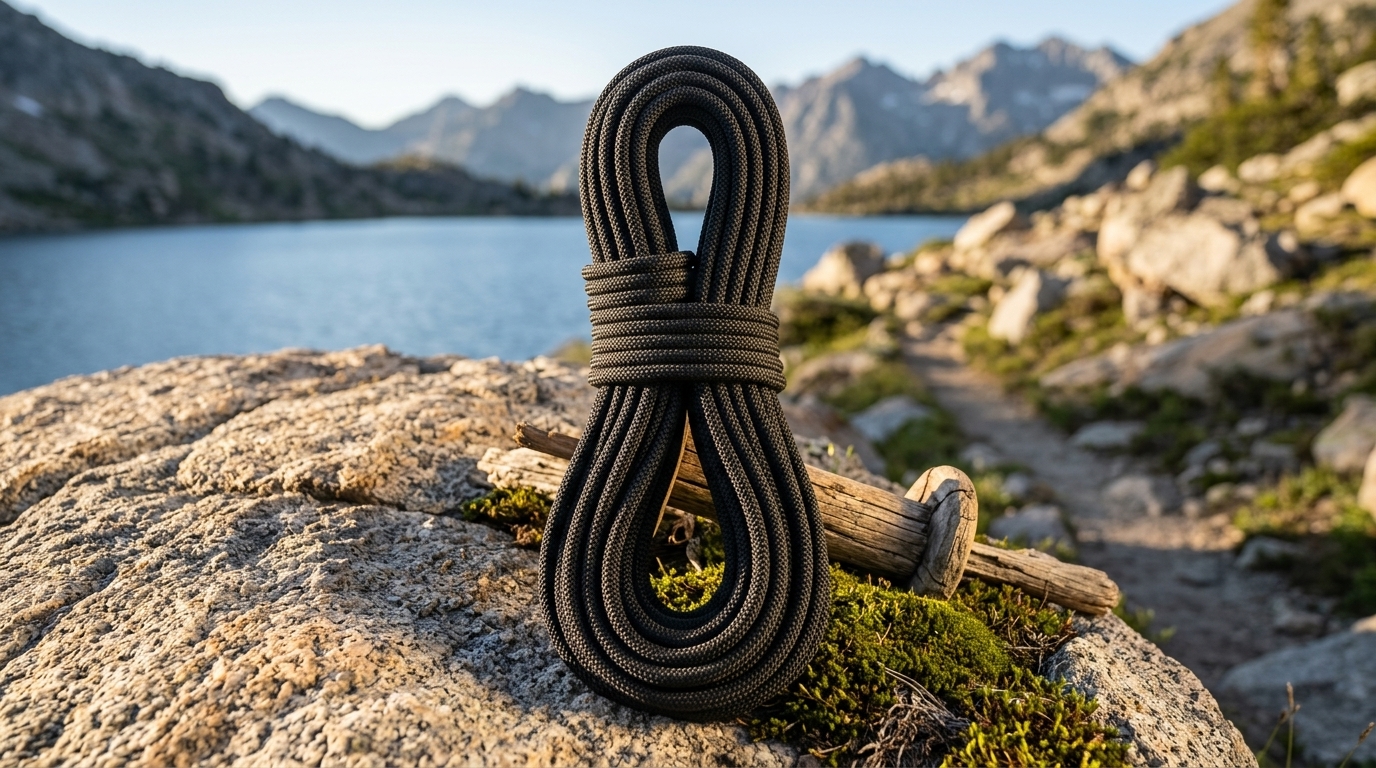
The BlueWater AssaultLine 11.4mm is a workhorse static rope engineered for technical rescue, rappelling, and rope access work where NFPA 1983 compliance is required. With 32.8 kN tensile strength and triple certification (CE EN 1981 Type A, UIAA, NFPA 2500), it's built for professional rescue teams, fire departments, and industrial riggers who need documented load ratings and low-stretch performance. At 90 g/m and $347.95 for 300 feet, it sits in the mid-weight, mid-price range for 11mm+ static lines—heavier than ultralight canyoneering ropes but substantially stronger and more abrasion-resistant thanks to its 53% sheath mass.
Disclosure: Four Seasons Gear is reader-supported. When you buy through links on our site, we may earn an affiliate commission at no extra cost to you. Prices and availability are accurate as of the time we last checked.
Specifications
Specs
Construction and Materials
The AssaultLine uses kernmantle construction—a parallel-fiber core (kern) surrounded by a braided sheath (mantle)—optimized for minimal elongation under load. The 53% sheath mass is notably high for an 11mm rope; many comparable static lines run 40-48% sheath. This extra sheath material translates to improved abrasion resistance during edge transitions and repeated rappels, at the cost of 10-15 g/m additional weight compared to lighter competitors. The nylon fiber construction (BlueWater doesn't specify whether it's nylon 6 or nylon 6,6, verify with manufacturer) provides the necessary strength-to-weight ratio while maintaining reasonable handling characteristics.
At 32.8 kN tensile strength, the AssaultLine exceeds the NFPA 1983 Technical Use minimum of 27 kN by 21%, providing a meaningful safety margin for rescue systems with multiple pulleys, edge protectors, and load-sharing anchors. The 11.4mm diameter sits in the sweet spot for general rescue work—thick enough for confident hand-over-hand ascents and compatible with most rescue hardware (pulleys, descenders, ascenders) rated for 11-13mm rope, but not so bulky that it becomes unwieldy in confined spaces.
Intended Use and Performance Context
This is a technical rescue rope, not a recreational climbing rope. The NFPA 2500(1983):2022 certification means it meets the latest edition standards for fire service and rescue applications—critical for departments with procurement requirements tied to specific code years. The CE EN 1981 Type A and UIAA marks provide international recognition, useful for teams operating across jurisdictions or purchasing through non-US suppliers.
Static ropes like the AssaultLine are designed for less than 6% elongation under working loads, making them ideal for hauling systems, fixed lines, rappelling, and rope access where dynamic stretch would complicate load calculations or positioning. They are NOT appropriate for lead climbing or any application where a fall factor exceeds 0.3—dynamic ropes absorb impact forces through elongation; static ropes transmit those forces directly to the anchor and the falling climber, risking catastrophic injury.
Category Comparison
The 11.4mm AssaultLine occupies the middle ground in the static rope market. Thinner ropes (8-9mm) like the Sterling HTP Static (8.4mm, 21 kN) save weight for canyoneering and alpine rescue but sacrifice durability and handling comfort. Thicker ropes (12-13mm) offer more abrasion resistance and easier hand grips but add bulk and weight—a 300-foot spool of 12.5mm rope typically weighs 70+ pounds. At 60.6 pounds for 300 feet, the AssaultLine is manageable for two-person carries but still substantial for backcountry rescue caches.
The $347.95 price for 300 feet works out to $1.16 per foot, competitive with other NFPA-certified 11mm ropes. Sterling's SuperStatic2 11mm runs similar pricing; PMI's EZ Bend 11mm is slightly cheaper but has lower sheath mass (around 45%). The high sheath percentage justifies the cost for teams prioritizing longevity over initial price—fewer early retirements due to sheath damage means lower total cost of ownership over a 5-7 year service life.
Durability Considerations
The 53% sheath mass is the standout durability feature. Kernmantle ropes fail when the sheath abrades through and exposes the core to UV, dirt, and mechanical damage. A thicker sheath extends the rope's working life in edge-intensive scenarios—building rappels, confined space entries, vehicle extrications—where the rope repeatedly loads against sharp corners despite edge protection. The nylon construction is susceptible to UV degradation (approximately 1-2% strength loss per year of outdoor exposure, accelerated in high-altitude or desert environments), so proper storage in a dark, dry location between uses is essential.
BlueWater recommends retirement after 10 years from manufacture date regardless of use, or sooner based on inspection criteria: visible core, severe glazing, stiffness, chemical exposure, or any fall arrest event. For high-use teams (weekly training and responses), expect 3-5 years of service; occasional-use volunteer squads may see 7-10 years if storage and handling protocols are followed. The manufacturer doesn't publish a specific cycle count (number of rappels or lifts before retirement), so teams must implement log-book tracking and visual inspection regimens per NFPA 1858 standards.
Value and Alternatives
At $1.16 per foot, the AssaultLine delivers solid value for teams that need NFPA compliance and prioritize abrasion resistance. The triple certification (CE/UIAA/NFPA) adds flexibility for international deployments or mutual aid scenarios where equipment must meet multiple standards. The 300-foot length is a standard cache size—long enough for most structural rappels and rescue lowers (typical 3-4 story buildings are 40-60 feet) with enough reserve for anchor tie-offs and system redundancy.
Teams on tighter budgets might consider Sterling's SuperStatic2 (similar specs, occasionally discounted in bulk) or PMI's EZ Bend (lighter sheath, lower cost, but faster wear). Recreational users who don't need NFPA certification can save 20-30% with non-certified static lines, though this sacrifices the documented testing and traceability required for professional use. For industrial rope access (SPRAT/IRATA work), the AssaultLine's 11.4mm diameter and low-stretch characteristics make it a viable alternative to dedicated access ropes, though some technicians prefer 10.5mm for lighter weight on multi-pitch descents.
What we like
Trade-offs
Frequently Asked Questions
+Can I use this rope for rock climbing?
No. The AssaultLine is a static rope designed for less than 6% elongation—it will not absorb impact forces from a dynamic fall. Use only for top-rope climbing (where the climber never falls more than a few inches), rappelling, or fixed-line ascents. For lead climbing or any scenario with potential for falls, use a dynamic climbing rope rated for the appropriate fall factor.
+What's the difference between NFPA 1983 Technical Use and General Use ratings?
Technical Use ropes must have a minimum tensile strength of 27 kN and are intended for one-person loads in rescue scenarios. General Use ropes (40 kN minimum) are rated for two-person loads or heavier rescue systems. The AssaultLine's 32.8 kN rating is Technical Use—adequate for single-rescuer rappels and most patient lowers, but not rated for two-person simultaneous loads without additional safety factors in the rigging system.
+How do I determine when to retire this rope?
Follow NFPA 1858 inspection guidelines: retire immediately if you see exposed core fibers, severe glazing or melting, stiffness or flat spots, chemical contamination, or if the rope arrested any fall. Otherwise, retire after 10 years from manufacture date (check the date code on the rope end or packaging). High-use teams should implement a logbook system tracking rappels, edge contacts, and hours under load, retiring ropes after 3-5 years of regular service even if visual inspection looks acceptable.
+Is the AssaultLine suitable for canyoneering?
It's functional but not optimized. The 90 g/m weight and 11.4mm diameter are heavier and bulkier than dedicated canyoneering ropes (typically 8-9mm, 50-65 g/m). For dry canyons with moderate abrasion, the high sheath mass is a benefit; for wet canyons or long approaches, the weight penalty becomes significant. If you already own the AssaultLine for rescue work, it will handle recreational canyon rappels, but purpose-built canyon ropes offer better packability and weight savings.
The Bottom Line
The BlueWater AssaultLine 11.4mm delivers the strength, certifications, and abrasion resistance that professional rescue teams and industrial rope access technicians require. The 53% sheath mass and 32.8 kN tensile strength provide meaningful durability and safety margins over minimum standards, justifying the $1.16-per-foot cost for teams that prioritize equipment longevity and regulatory compliance. The 60.6-pound weight for 300 feet limits its appeal for ultralight backcountry use, but for vehicle-based rescue, structural fire service, or fixed industrial installations, the AssaultLine hits the sweet spot between handling comfort, strength, and long-term wear resistance.

Read next
More from this category
REVIEW
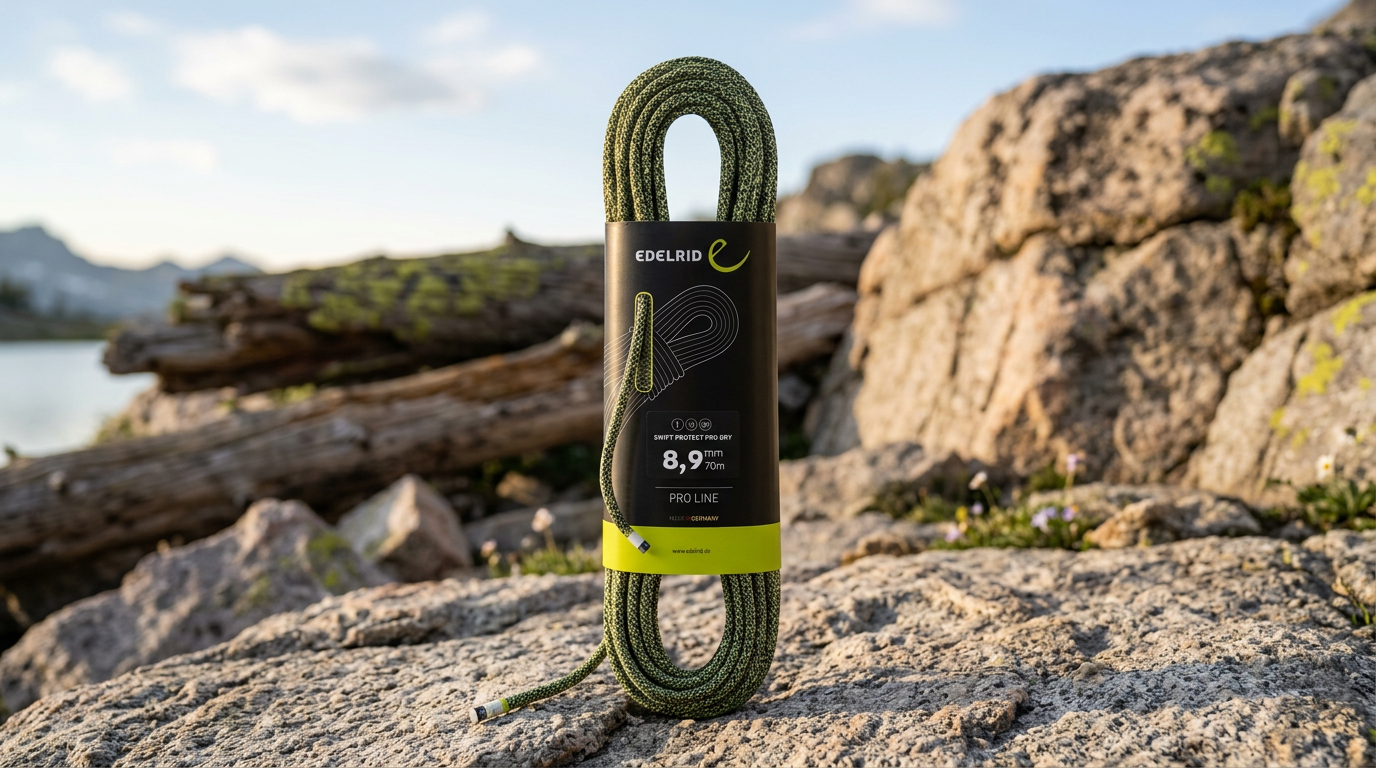
EDELRID Swift Protect 8.9mm Pro Dry Dynamic Climbing Rope Review
REVIEW
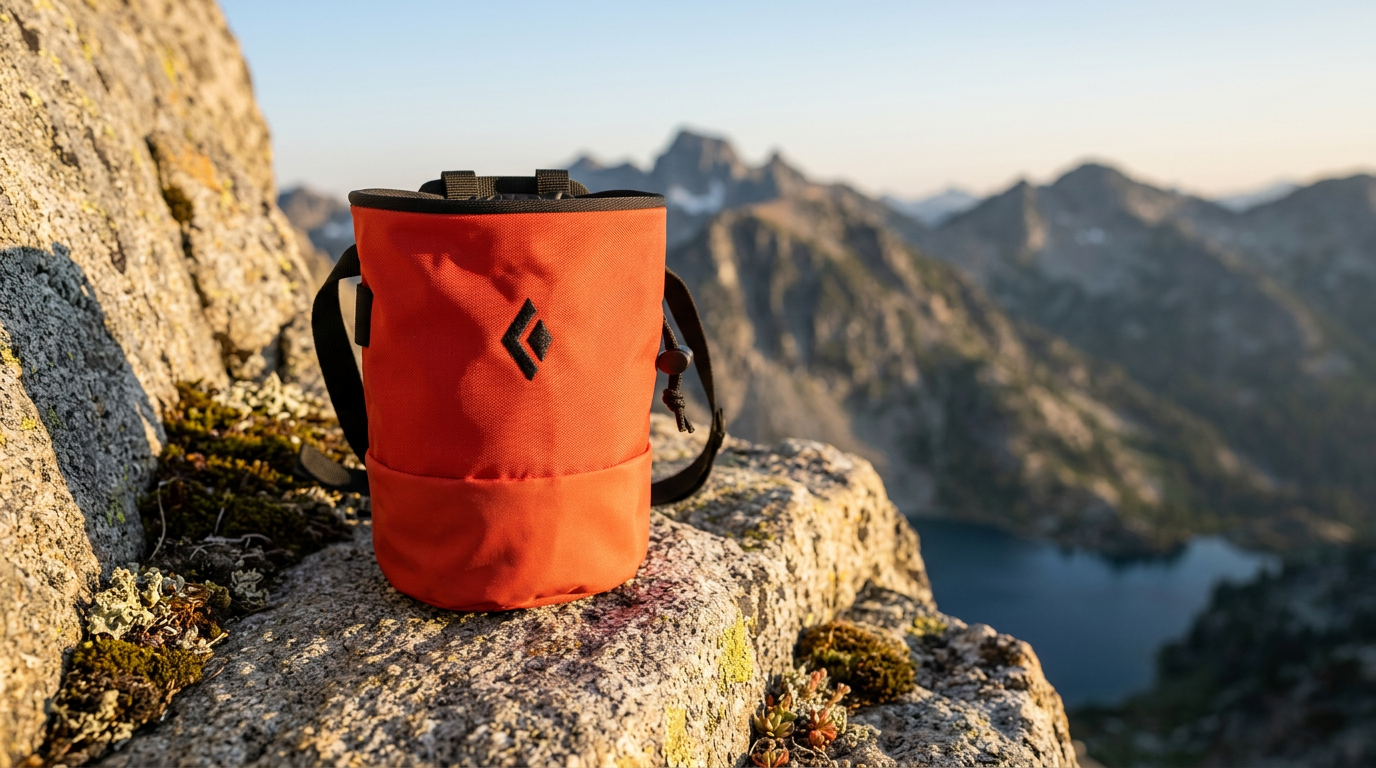
Black Diamond Mojo Zip Chalk Bag Review: Classic Cylinder With Zippered Stash
REVIEW
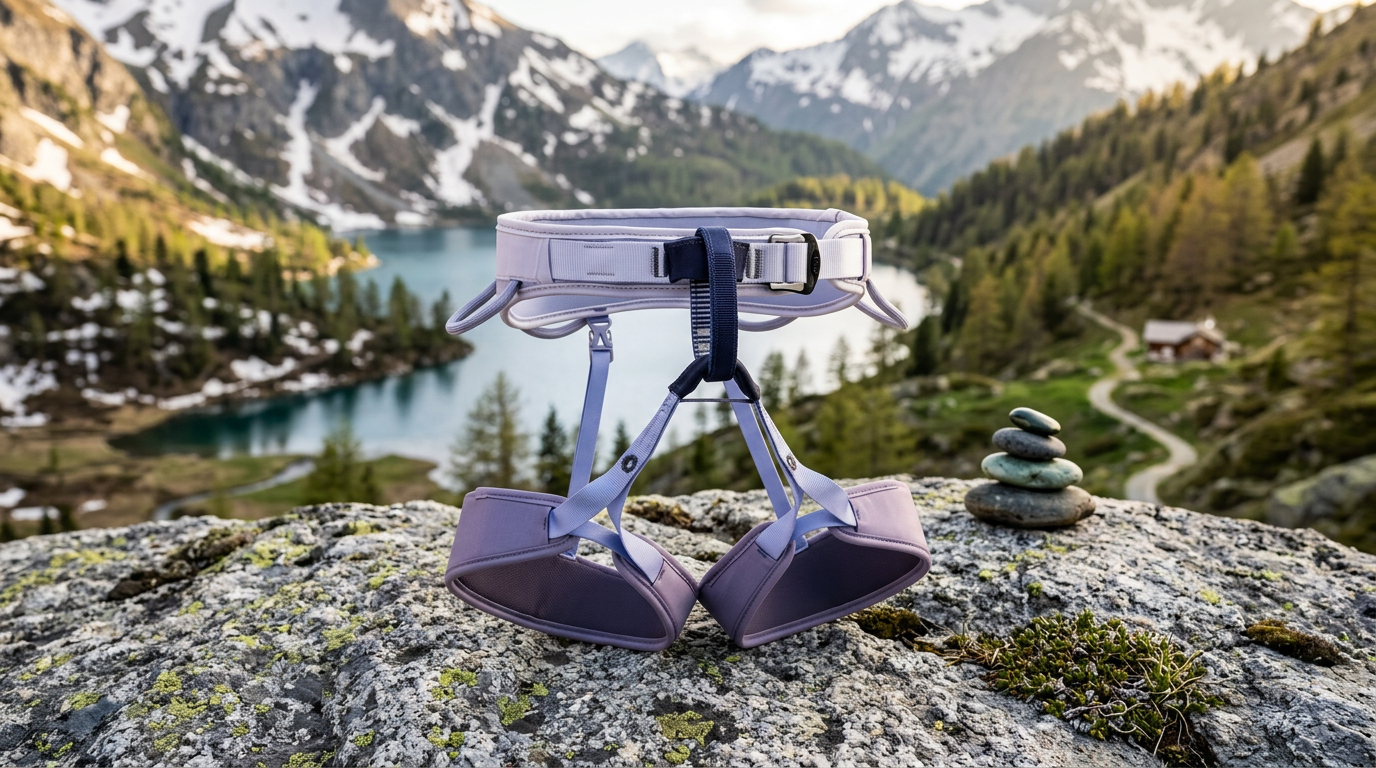
PETZL Corax LT Women's Climbing Harness Review
REVIEW
Mammut Comfort Fast Adjust Climbing Harness - Men's Review
REVIEW
Petzl BOREO Durable Helmet with Enhanced Protection Review
REVIEW