
Review · spring · summer · fall
Petzl BOREO Durable Helmet with Enhanced Protection Review
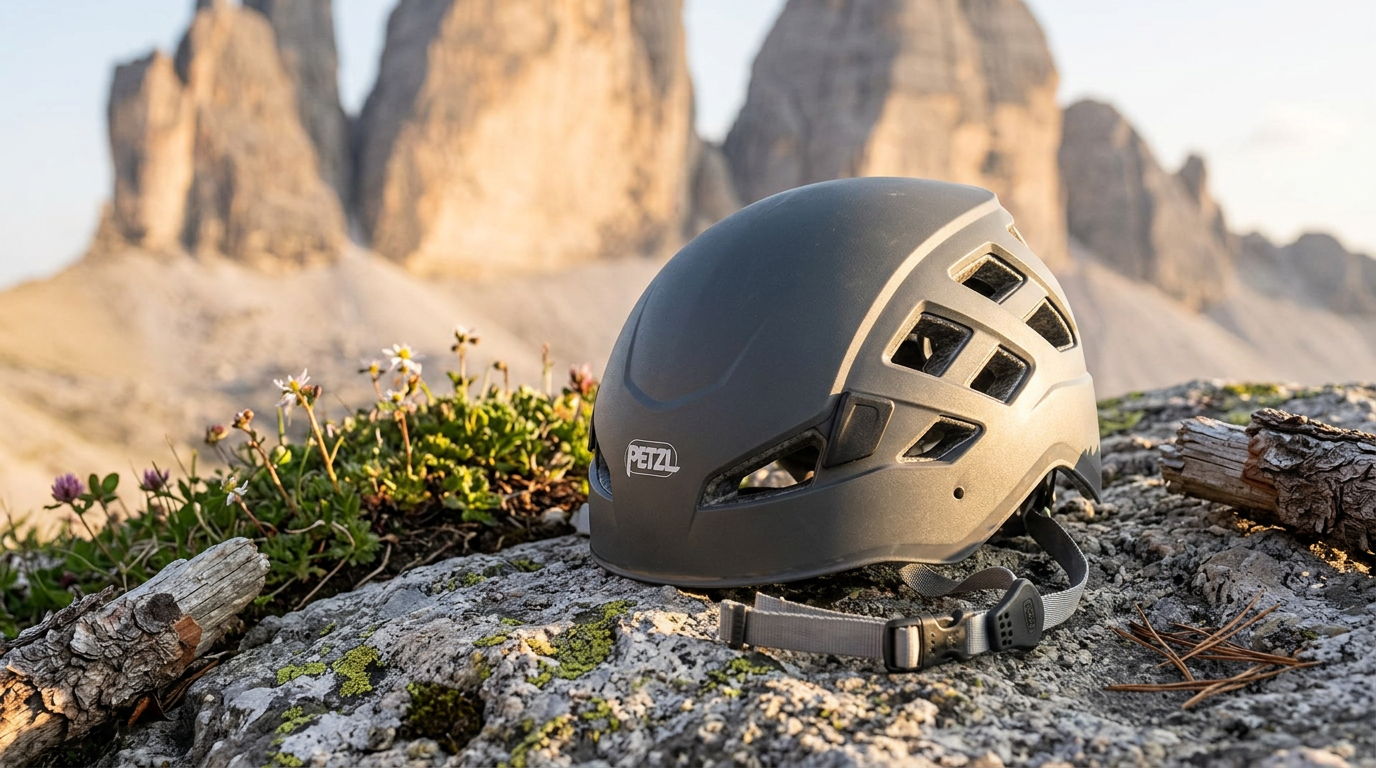
The Petzl BOREO is a hybrid-construction climbing helmet built for climbers, cavers, and via ferrata users who prioritize durability and extended coverage over minimal weight. Its thick ABS outer shell and dual-foam EPP/EPS liner deliver robust impact protection across top, side, front, and rear zones, while large ventilation ports keep airflow strong during strenuous pitches. At approximately 280–300 g (manufacturer spec, verify before purchase), it trades ultralight performance for ruggedness that holds up to repeated abrasion in cave environments and multipitch routes where gear gets knocked around.
Disclosure: Four Seasons Gear is reader-supported. When you buy through links on our site, we may earn an affiliate commission at no extra cost to you. Prices and availability are accurate as of the time we last checked.
Construction and Materials
Petzl wraps the BOREO in a thick ABS (acrylonitrile butadiene styrene) thermoplastic shell engineered to resist scratches, scuffs, and punctures common in caving and alpine environments. Inside, the helmet pairs expanded polypropylene (EPP) foam—which rebounds after low-energy impacts—with expanded polystyrene (EPS) foam that crushes to absorb high-energy shocks. This dual-density approach balances reusability for minor knocks with single-use protection against serious falls. The hard shell encases the foam completely, preventing UV degradation and moisture ingress that can compromise EPS over time.
The headband is a soft, fabric-wrapped foam that conforms to head shape and folds flat into the shell for pack storage. Four integrated clips on the shell's front and sides accept Petzl headlamp mounts (and most third-party elastic straps), keeping your light stable during night approaches or cave traverses. Large ventilation ports span the crown and sides, channeling airflow without significantly weakening the shell's structural integrity.
Specs
Protection Profile and Certification
Petzl labels the BOREO with its 'Top and Side Protection' designation, indicating the shell extends lower around the rear and temples than minimal-coverage models. This geometry shields against side impacts (common when swinging into a wall or taking a pendulum fall) and rear strikes (falling rock from above, or hitting your head on an overhang). The helmet meets EN 12492 and UIAA 106 standards, which test top, front, side, and rear impact zones, as well as penetration resistance and chin-strap strength.
Fit, Comfort, and Ventilation
The soft headband wraps the circumference of your head in a continuous loop, distributing pressure evenly without hot spots. Because the band is fabric-covered foam (rather than a rigid plastic cradle), it conforms to oval and round head shapes alike. The chin strap uses a magnetic buckle for one-handed operation, though some users with gloves may prefer a traditional side-release clip. Fit range is typically 53–61 cm head circumference (verify the specific model's published range before purchase).
Ventilation is a standout feature. The large ports pull air through the crown even during static belays, preventing the swampy feeling common in fully enclosed foam helmets. OutdoorGearLab's comparison testing has historically rated Petzl's vent design among the most effective in the hybrid category, and Backcountry user comments note the BOREO stays cooler than competitors like the Mammut Skywalker on hot sport-climbing days.
Intended Use Cases and Category Context
The BOREO sits in the hybrid helmet segment—heavier and more protective than ultralight foam models (which weigh 200–230 g and prioritize packability for alpine speed ascents), but lighter and better-ventilated than full-on hard-shell work helmets (350+ g). It's purpose-built for:
- Multipitch trad and sport climbing where rockfall risk is moderate and you'll wear the helmet for hours.
- Caving and canyoning, where the shell's abrasion resistance matters more than shaving grams.
- Via ferrata routes, where extended side and rear coverage protects against cable strikes and wall contact.
- Gym-to-crag versatility—durable enough for daily gym use, protective enough for outdoor objectives.
It's less suited to fast-and-light alpine missions where every gram counts, or to pure ice climbing where a full-coverage hard shell (like Petzl's METEOR or SIROCCO) offers better protection against falling ice chunks.
Durability Considerations
The thick ABS shell is the BOREO's durability anchor. Unlike thin polycarbonate shells that crack after a season of cave abuse, ABS resists scratches and maintains structural integrity through repeated contact with rock, rope, and gear. The enclosed foam design prevents UV exposure, which degrades EPS foam over 3–5 years even without impacts. Store the helmet out of direct sunlight and away from solvents (gasoline, DEET-heavy bug spray) that can weaken thermoplastics.
The headband's fabric covering can fray with heavy use; inspect stitching annually and replace the helmet if the band detaches or loses tension. The magnetic chin-strap buckle is a potential wear point—magnets can weaken over time, and grit can interfere with closure. Clean the buckle after dusty or sandy outings.
Value and Market Position
At approximately $75 MSRP, the BOREO undercuts premium ultralight models (which often exceed $100) while offering more protection than budget foam-only helmets in the $50 range. You're paying for the hybrid construction and extended coverage—features that matter most to climbers who log frequent days on rock or underground. For occasional gym climbers or single-pitch sport routes, a lighter, cheaper helmet may suffice. For guides, cave explorers, or multipitch enthusiasts who need a helmet that survives daily use, the BOREO's durability justifies the mid-tier price.
What we like
Trade-offs
Best For and Not For
**Best for:**
- Multipitch trad and sport climbers who need extended protection and all-day comfort
- Cavers and canyoneers prioritizing abrasion resistance over ultralight weight
- Via ferrata enthusiasts requiring side and rear impact coverage
- Climbing guides and instructors logging daily helmet hours
- Gym climbers seeking a durable helmet that transitions to outdoor routes
**Not for:**
- Alpine climbers chasing sub-250 g helmet weights for speed ascents
- Ice climbers needing maximum coverage against falling ice
- Occasional gym users who prioritize minimal cost over durability
- Climbers with very large or very small head sizes outside the 53–61 cm range
+How does the BOREO compare to ultralight foam helmets?
The BOREO weighs approximately 280–300 g versus 200–230 g for ultralight models like the Petzl SIROCCO. You gain a more durable ABS shell, extended side/rear coverage, and better ventilation, but sacrifice 60–80 g. Choose the BOREO for multipitch routes and caving where durability matters; choose ultralight for alpine speed climbs where every gram counts.
+Can I use this helmet for ice climbing?
Yes, the BOREO meets EN 12492 and UIAA 106 standards for ice climbing. However, its hybrid construction offers less coverage than full hard-shell helmets optimized for falling ice chunks. For dedicated ice climbing, consider a model with deeper rear coverage and a fully enclosed shell.
+How long does the helmet last?
Petzl recommends retiring helmets 10 years after manufacture (check the molded date code inside the shell) or immediately after a significant impact. The enclosed foam design extends lifespan by preventing UV degradation, but inspect the shell for cracks and the foam for compression annually. Store out of direct sunlight and away from solvents.
+Does the headband adjust for different head shapes?
The soft fabric-wrapped foam headband conforms to oval and round head shapes without requiring a dial adjustment. Some BOREO variants include a rear dial for fine-tuning circumference; verify the specific model's features before purchase. The headband fits approximately 53–61 cm head circumference.
+Will the magnetic buckle work with thick gloves?
The magnetic buckle is designed for one-handed operation, but bulky gloves can make alignment tricky. Practice closing the buckle with your intended gloves before committing to a route. If you frequently climb in heavy gloves, test the buckle's usability or consider a helmet with a traditional side-release clip.

Read next
More from this category
REVIEW
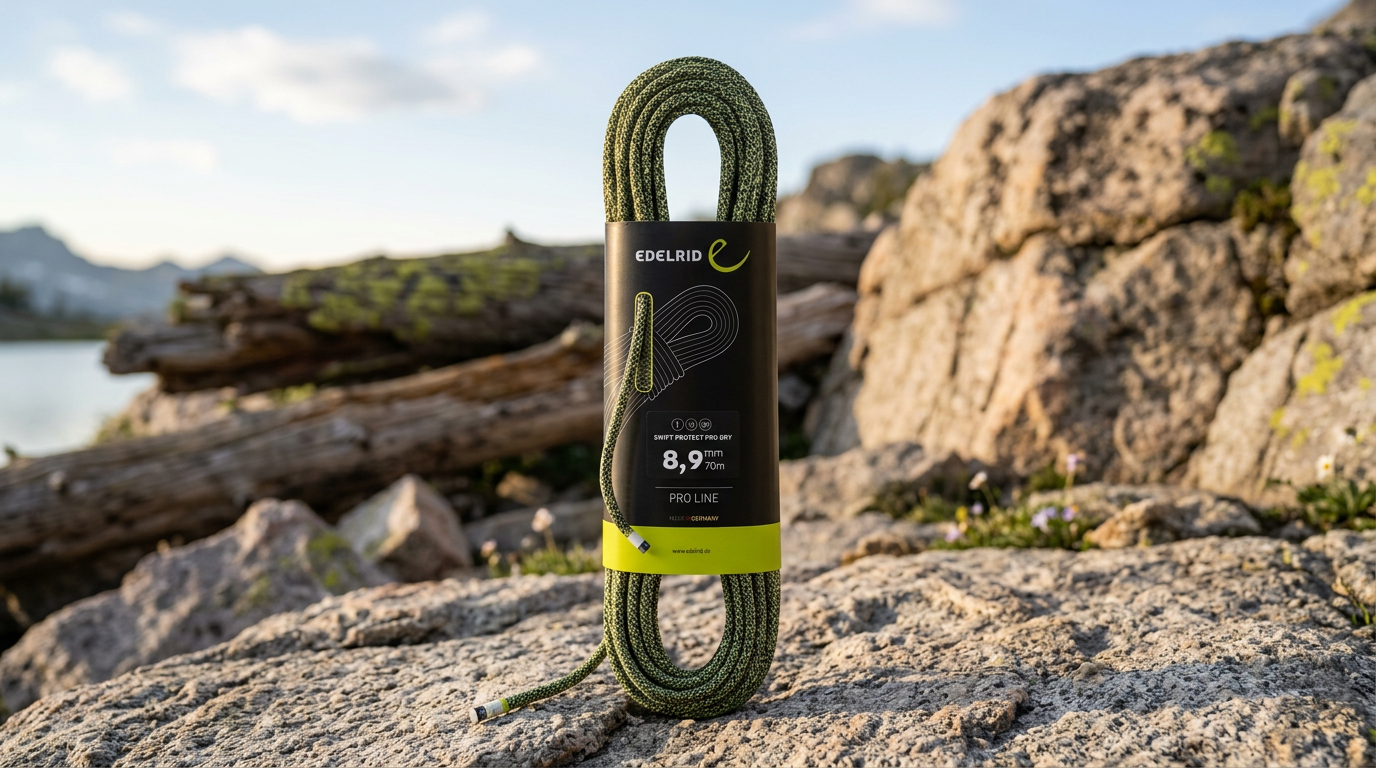
EDELRID Swift Protect 8.9mm Pro Dry Dynamic Climbing Rope Review
REVIEW
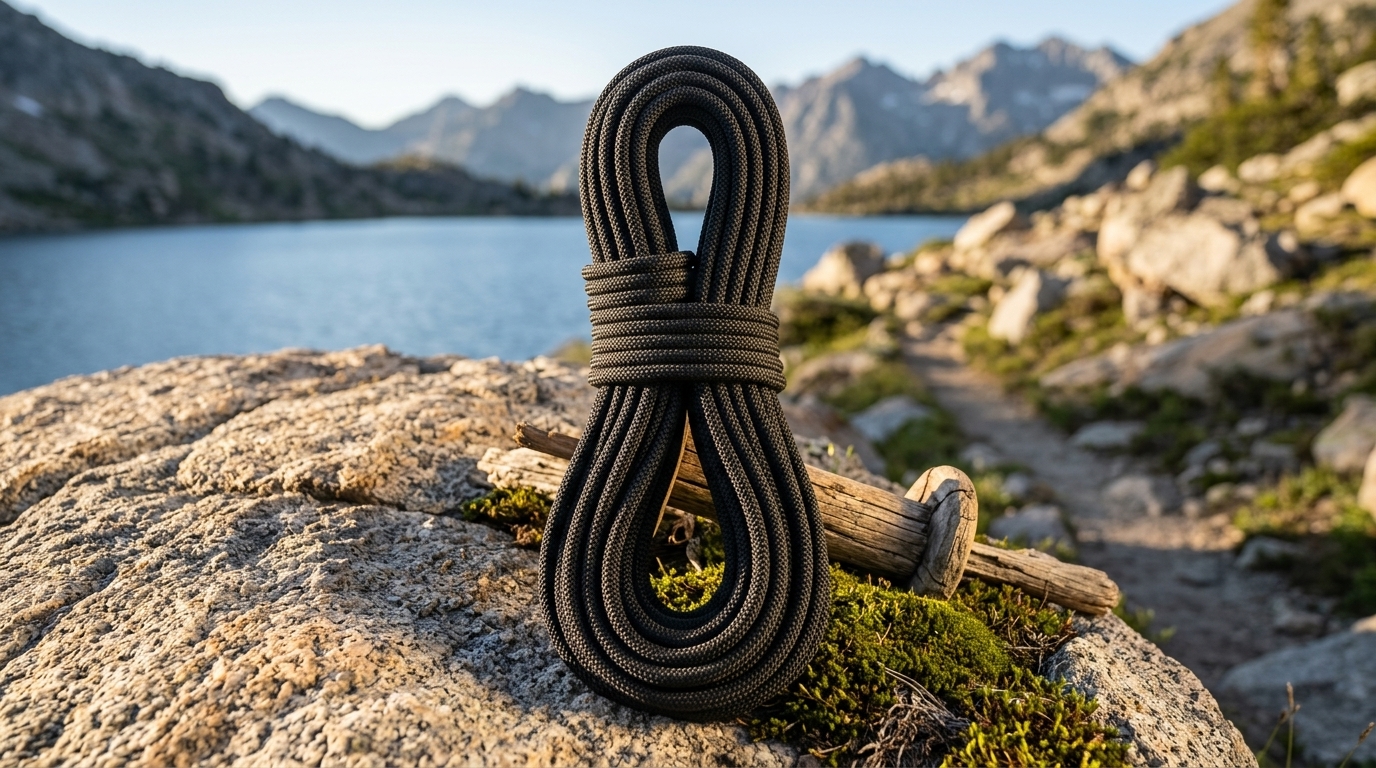
BlueWater Ropes 11.4mm AssaultLine NFPA Static Rope Review
REVIEW
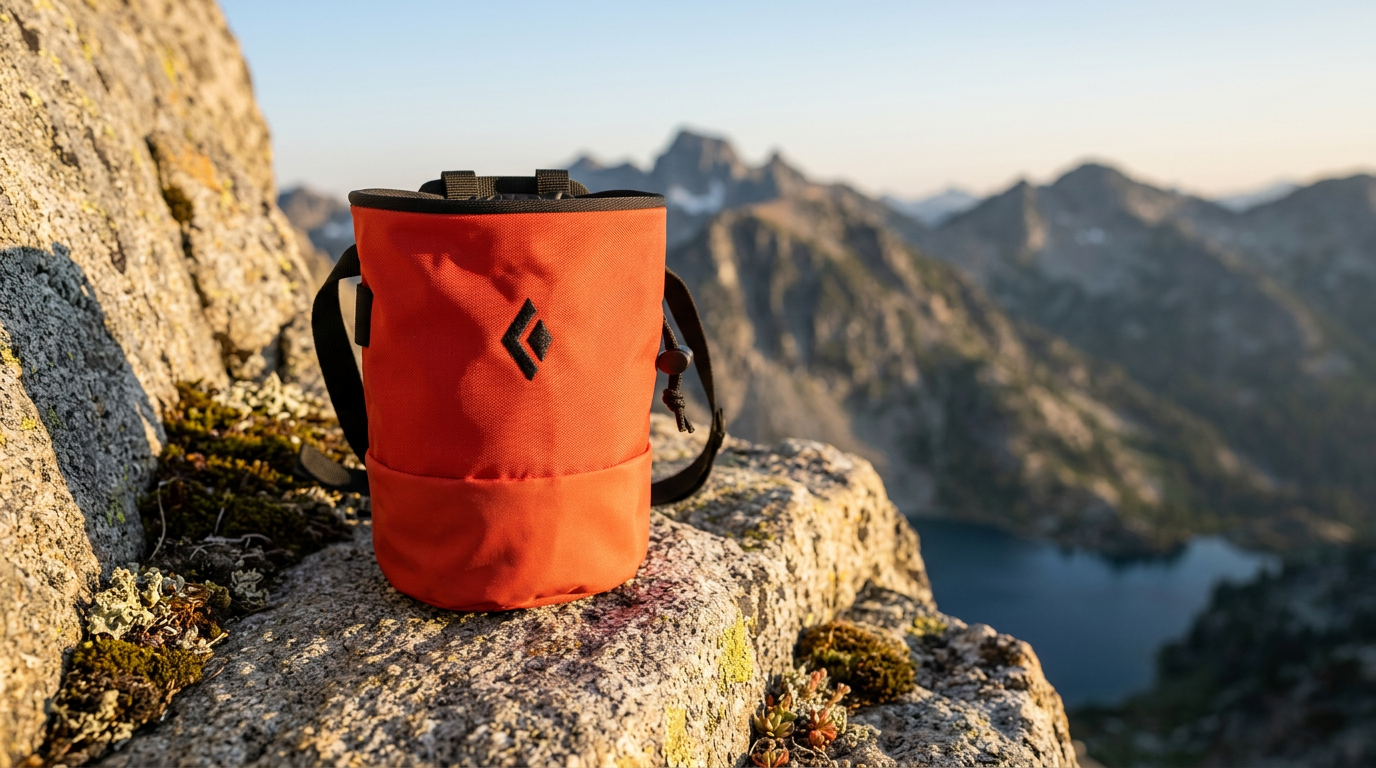
Black Diamond Mojo Zip Chalk Bag Review: Classic Cylinder With Zippered Stash
REVIEW
PETZL Corax LT Women's Climbing Harness Review
REVIEW
Mammut Comfort Fast Adjust Climbing Harness - Men's Review
REVIEW