Best of
Best Down Sleeping Bags for Backpacking
best down sleeping bags for backpacking
At a glance
| # | Product | |||||
|---|---|---|---|---|---|---|
| 1 | 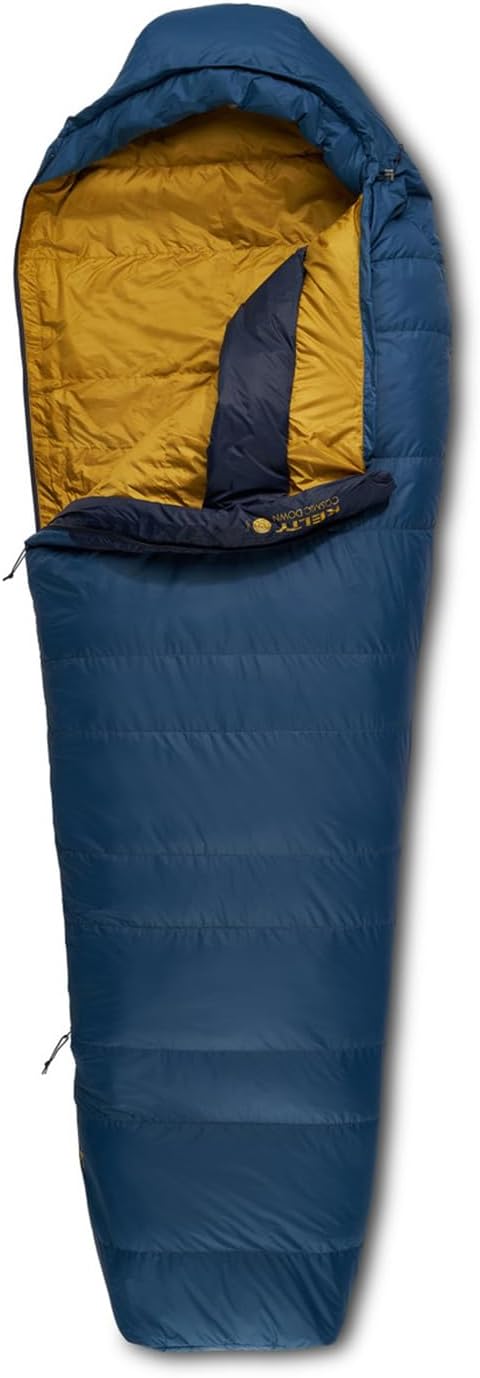 ★ Best Overall★ Best Value | 7.8 | Check price ↗ | |||
| 2 | 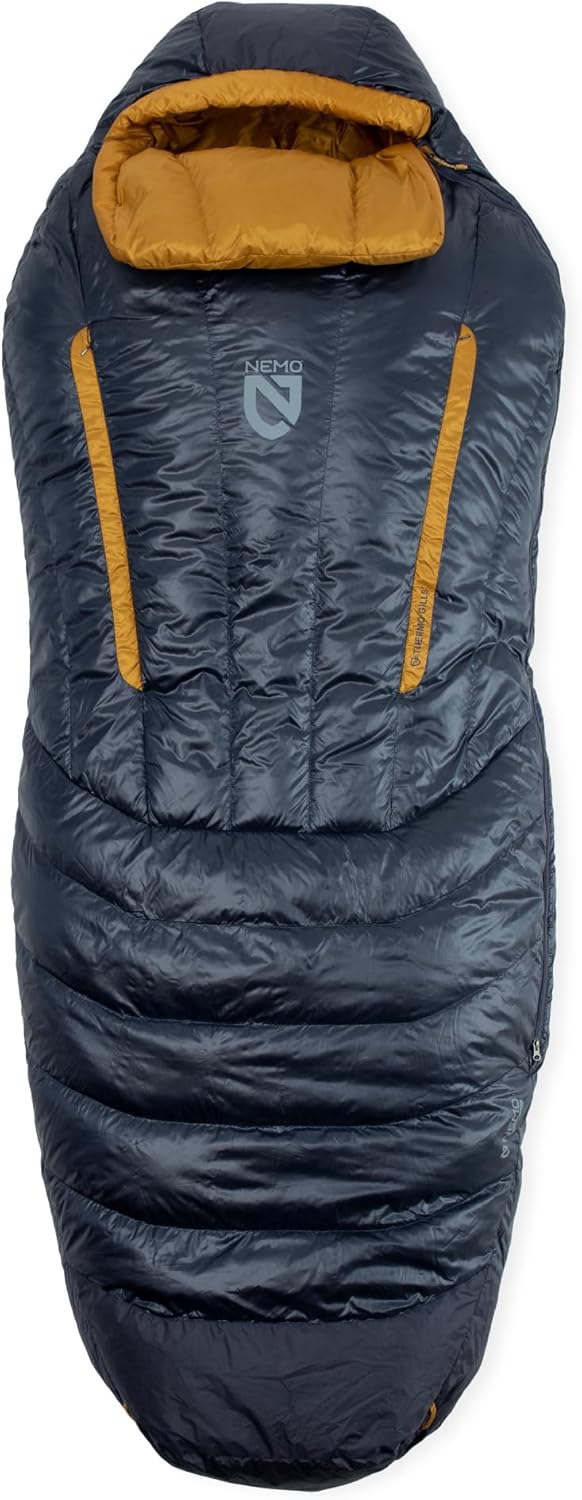 ★ Most Comfortable | 7.8 | Check price ↗ | |||
| 3 | 7.8 | Check price ↗ | ||||
| 4 | 7.5 | Check price ↗ | ||||
| 5 | 7.2 | Check price ↗ | ||||
| 6 | 7.2 | Check price ↗ |


- 7.8★ Most Comfortable
Disclosure: Four Seasons Gear is reader-supported. When you buy through links on our site, we may earn an affiliate commission at no extra cost to you. Prices and availability are accurate as of the time we last checked.
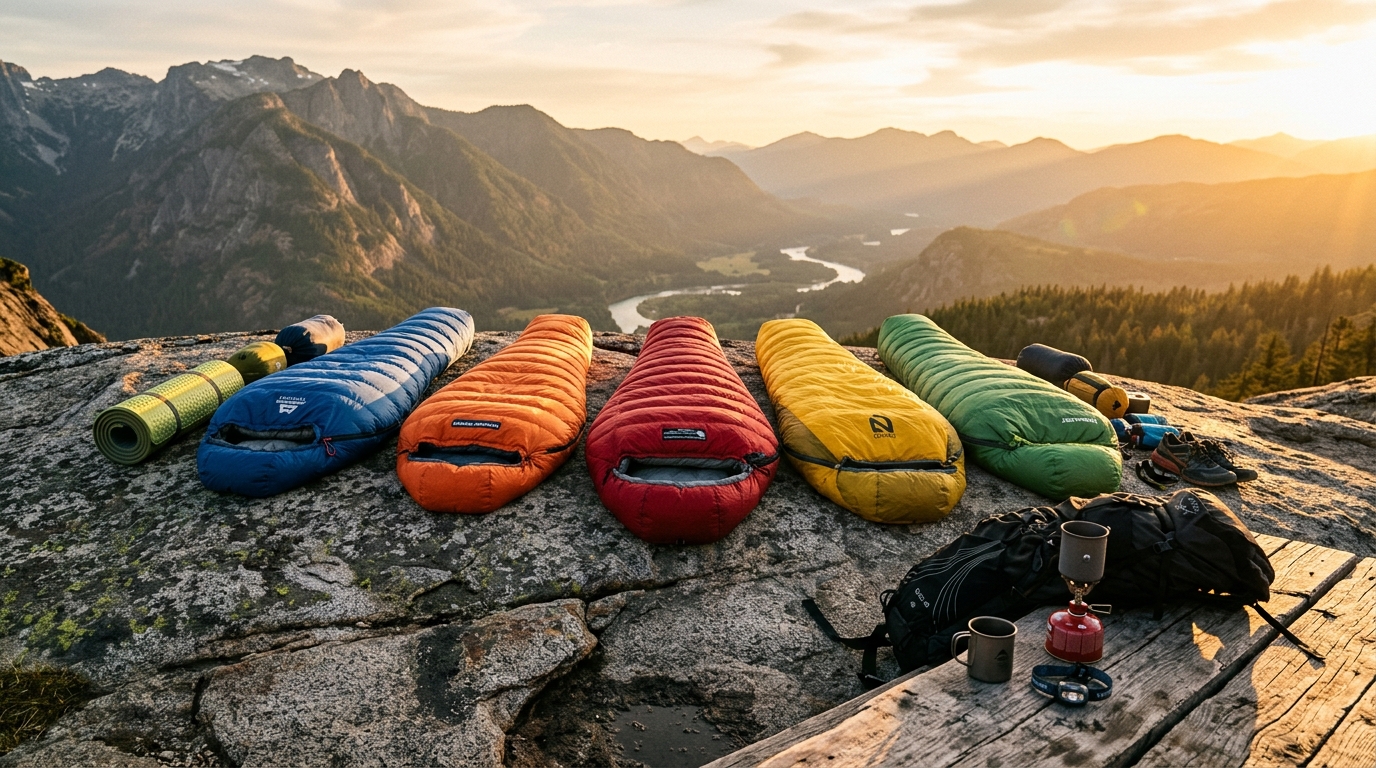
Down sleeping bags remain the gold standard for backpackers who count ounces and prioritize packability. We evaluated these six bags based on fill power, temperature rating, weight-to-warmth ratio, shell fabric durability, and real-world performance across three-season conditions. Every bag here uses responsibly sourced down, but they differ significantly in construction details, water-resistant treatments, and intended use cases.
Best Overall: Kelty Cosmic 20 Down Mummy Sleeping Bag
The Kelty Cosmic 20 earns our top recommendation because it nails the fundamentals without asking you to refinance your mortgage. This mummy bag uses quality down insulation in a proven box-baffle construction that prevents cold spots, and the 20°F comfort rating makes it genuinely three-season capable. The draft tube along the zipper is substantial enough to seal out drafts, and the contoured hood cinches down securely without feeling claustrophobic. At $189.95, it undercuts premium bags by $150+ while delivering comparable warmth for most backpacking trips. The ripstop nylon shell resists snags from tent floors and pack interiors, and the footbox has enough room that side sleepers won't feel trapped.
What we like
Trade-offs
Best for Cold Sleepers: Mountain Hardwear Bishop Pass 15F Down - Women's
The Mountain Hardwear Bishop Pass drops the temperature rating to 15°F while maintaining a women's-specific cut that addresses the reality that many female backpackers sleep colder than men. The extra insulation in the torso and footbox targets core areas where heat loss matters most, and the shorter, narrower dimensions reduce dead air space that your body has to warm. The shell fabric is noticeably more supple than budget options, and the zipper runs smoothly even when the bag is fully compressed in its stuff sack. At $334.99, it's a premium investment, but the 15°F rating extends your shoulder season significantly—we've used this comfortably into November in the Rockies when overnight lows hit the low 20s.
What we like
Trade-offs
Best Water-Resistant: Big Agnes Women's Torchlight with 600 DownTek
The Big Agnes Torchlight distinguishes itself with 600-fill DownTek insulation—hydrophobic down that maintains loft even when exposed to moisture. This matters enormously in humid environments or when condensation is inevitable, and the treatment adds only minimal weight penalty. The bag integrates with Big Agnes sleeping pads via their sleeve system, which prevents you from rolling off your pad at 3 a.m. The vertical baffles run continuously from hood to footbox, and the offset quilt construction eliminates the cold seam that runs down traditional mummy bags. At $216.65, it splits the difference between budget and premium while adding genuine technical advantages for wet-climate backpacking.
What we like
Trade-offs
Best Budget: Naturehike Ultralight Down Sleeping Bag
The Naturehike Ultralight proves you don't need to spend $300 to get functional down insulation. At $89.99, it's less than half the price of our other picks, using 650-fill-power down in a straightforward mummy design. The 40.4°F rating is honest—this is a summer bag for mild conditions, not a three-season workhorse. The shell fabric feels noticeably thinner than premium options, and the zipper occasionally snags if you're not careful, but the basic construction is sound. The bag includes a compression sack that reduces pack volume significantly, and the water-resistant coating on the shell provides minimal protection against tent condensation. If you're new to backpacking or need a spare bag for guests, this delivers legitimate down performance at a price that won't sting if it gets damaged.
What we like
Trade-offs
Best for Couples: Kelty Galactic Down 30
The Kelty Galactic Down 30 features compatible zippers that allow two bags to mate into a double sleeping bag—a feature that couples and families actually use in base camp situations. The 30°F rating makes this a true summer bag, appropriate for lowland trips from June through September. The 550-fill down is lower than competitors, which means more weight for equivalent warmth, but the RDS-trackable down certification provides transparency about sourcing. The bag's rectangular shape offers more interior room than mummy designs, which side sleepers and restless movers appreciate. At $189.95, it matches the Cosmic 20's price while trading warmth for versatility and the ability to zip together with a partner's bag.
What we like
Trade-offs
Best for Comfort: NEMO Equipment Disco Endless Promise Down Sleeping Bag
The NEMO Disco reimagines sleeping bag design with a spoon shape that's wider at the elbows and knees—addressing the primary complaint about mummy bags. This extra room doesn't come with a massive weight penalty because NEMO uses high-quality down and strategic baffle placement. The integrated pillow sleeve holds your camp pillow in place, and the blanket fold at the top can be opened for temperature regulation on warmer nights. The Endless Promise down uses recycled materials, appealing to environmentally conscious backpackers. At $329.95, it's the second-most expensive bag here, but the comfort upgrade is immediately noticeable if you've spent nights fighting claustrophobia in traditional mummy bags. The waterproof stuff sack is more robust than typical compression sacks.
What we like
Trade-offs
Understanding Fill Power and Temperature Ratings
Fill power measures down quality—higher numbers mean the down lofts more and traps more air per ounce. A 650-fill bag needs more down to achieve the same warmth as a 750-fill bag, which means more weight and bulk. The bags in this roundup range from 550 to 650 fill power, which is appropriate for backpacking where you're balancing cost against performance. Temperature ratings are notoriously subjective—a 20°F bag keeps a warm sleeper comfortable to 20°F, but cold sleepers may need to add 10-15 degrees to any published rating. Women generally sleep colder than men, which is why women's-specific bags like the Mountain Hardwear Bishop Pass and Big Agnes Torchlight add extra insulation in the torso and footbox.
Down vs. Synthetic: When to Choose Each
Down sleeping bags compress smaller and weigh less than synthetic bags with equivalent warmth, which is why backpackers overwhelmingly prefer them. The tradeoff is water vulnerability—wet down clumps and loses all insulating ability. Hydrophobic treatments like DownTek help but don't make down truly waterproof. If you're backpacking in consistently wet environments like the Pacific Northwest in spring, or if you're on a multi-week trip where drying gear is difficult, synthetic insulation may be smarter despite the weight penalty. For most three-season backpacking in drier climates, down's advantages outweigh the moisture risk if you practice good campsite selection and use a waterproof stuff sack.
Essential Accessories for Down Sleeping Bags
A quality sleeping pad is mandatory—down compresses under your body weight and provides zero insulation from below. Pair any of these bags with an insulated pad rated for the temperatures you expect. A waterproof stuff sack or dry bag protects your investment during stream crossings and rainstorms. A sleeping bag liner adds 5-10 degrees of warmth and keeps body oils out of the down, extending the time between washings. When you do wash your down bag, use a front-loading machine with down-specific detergent and dry it on low heat with tennis balls to restore loft—never dry clean down, as the chemicals destroy the natural oils that make down work.
Frequently Asked Questions
+How do I choose the right temperature rating for my sleeping bag?
Add 10-15 degrees to the published rating if you're a cold sleeper, sleep in minimal clothing, or are female. A 20°F bag is genuinely three-season capable for most backpackers, while a 30°F bag works for summer trips. If you're buying one bag for year-round use, choose the colder rating and vent the bag on warm nights—you can always add warmth with clothing layers, but you can't subtract insulation from a bag that's too warm for conditions.
+What's the difference between regular and women's sleeping bags?
Women's bags are shorter in length, narrower in the shoulders, and wider in the hips to match typical female body proportions. They also add extra insulation in the torso and footbox because women generally have lower metabolic heat production and lose heat faster in extremities. If you're a woman who runs warm or has broader shoulders, a regular unisex bag may fit better. If you're a man who sleeps cold or has a slighter build, a women's bag might provide better warmth.
+How often should I wash my down sleeping bag?
Wash your down bag only when it's visibly dirty or has lost noticeable loft—typically after 40-60 nights of use. Frequent washing breaks down the down and shell fabric. Use a sleeping bag liner to extend time between washings, and air out your bag thoroughly after each trip. When you do wash, use a front-loading machine (top-loaders with agitators can tear baffles), down-specific detergent, and dry on low heat with tennis balls or dryer balls to break up clumps and restore loft. Never store a down bag compressed—hang it loosely or store it in a large cotton storage sack.