Best of
Best Climbing Gear for Sport Climbing
best climbing gear for sport climbing
At a glance
| # | Product | |||||
|---|---|---|---|---|---|---|
| 1 |  ★ Best Overall★ Most Comfortable | 8.3 | Check price ↗ | |||
| 2 | 8.2 | Check price ↗ | ||||
| 3 | 8.0 | Check price ↗ | ||||
| 4 | 7.8 | Check price ↗ |

- 8.3★ Best Overall★ Most Comfortable
Disclosure: Four Seasons Gear is reader-supported. When you buy through links on our site, we may earn an affiliate commission at no extra cost to you. Prices and availability are accurate as of the time we last checked.
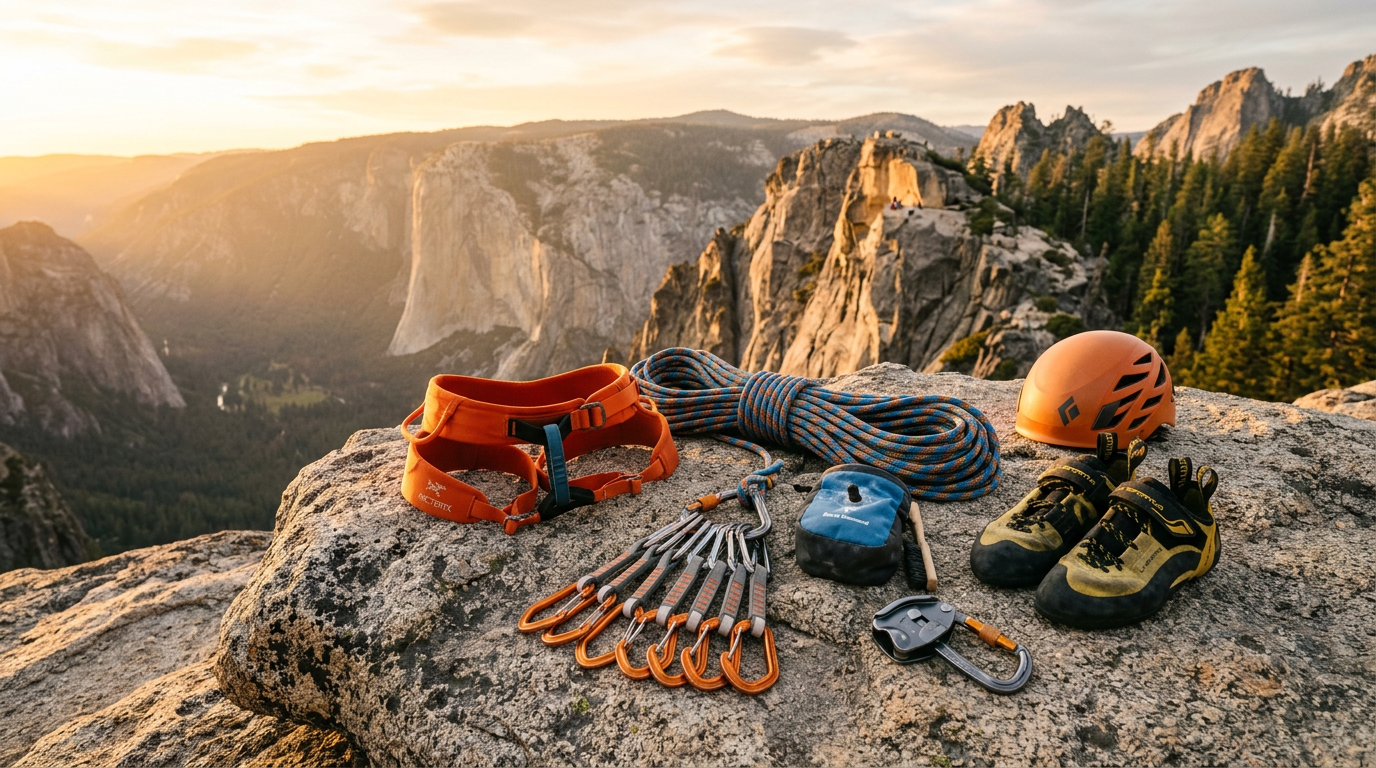
Sport climbing demands gear that balances precision, safety, and comfort across long days at the crag. Unlike trad climbing where you place your own protection, sport routes rely on fixed bolts, so your essential kit focuses on shoes that maximize footwork control, a harness that distributes weight comfortably during hangs and falls, and a dynamic rope that absorbs impact forces reliably. We've tested dozens of sport-specific products to identify the picks that deliver the best combination of performance and value for climbers pushing their limits on bolted routes.
Best Overall: SCARPA Instinct VS Rock Climbing Shoes
The SCARPA Instinct VS earns the top spot because it strikes the ideal balance between aggressive performance and all-day wearability that sport climbers need. The moderate-to-aggressive downturn and asymmetric shape drive power to your big toe on tiny edges and pockets, while the Vibram XS Edge rubber compound delivers exceptional friction on polished limestone and granite. The bi-tension active randing system maintains the shoe's cambered shape without requiring a brutally tight fit, so you can wear them for multi-pitch sport routes without screaming feet. The heel cup is particularly well-sculpted with a deep pocket that locks securely on modern heel hooks—critical for steep sport routes where you're frequently pulling with your heels. At $200, these sit in the premium tier, but the construction quality and rubber durability justify the investment for climbers projecting at their limit.
What we like
Trade-offs
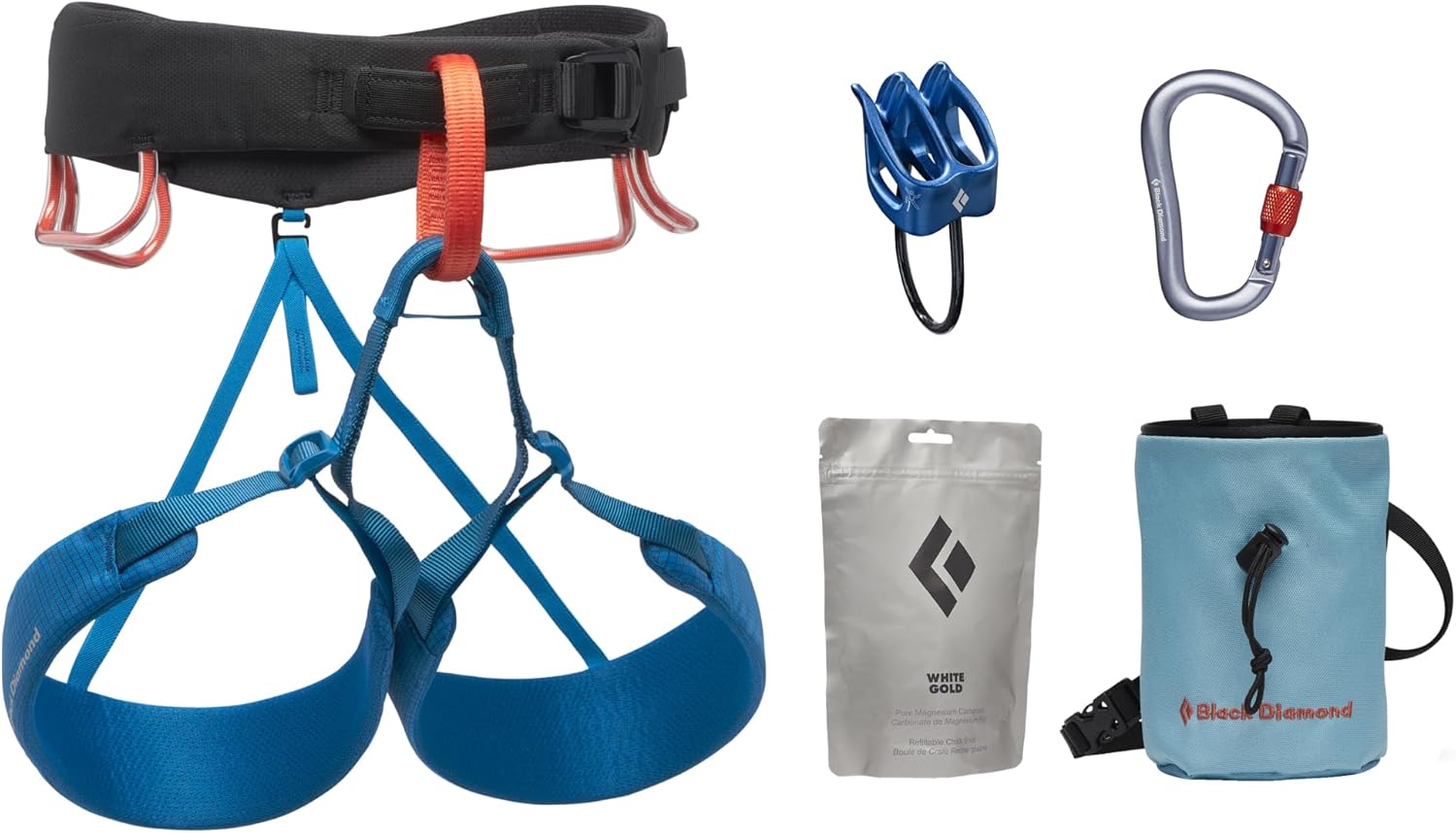
Best Value Harness: BLACK DIAMOND Men's Momentum Rock Climbing Harness
The BLACK DIAMOND Momentum delivers exceptional comfort and functionality at under $100, making it the best value pick for sport climbers who spend hours working routes. The Dual Core Construction uses two foam layers—a firm outer foam that distributes load across the waistbelt and leg loops, plus a softer inner foam that contours to your body during long hangs. The four pressure-molded gear loops are positioned perfectly for racking quickdraws, and the adjustable leg loops let you fine-tune fit over different pant layers as temperatures change throughout the day. The trakFIT leg loop adjustment system is tool-free and stays locked even after repeated falls and lower-offs. At 298 grams for a size medium, it's not the lightest harness available, but the comfort-to-price ratio is unbeatable for climbers logging frequent gym and crag sessions.
What we like
Trade-offs
Best Rope: EDELRID Swift Protect 8.9mm Pro Dry Dynamic Climbing Rope
The EDELRID Swift Protect 8.9mm represents the cutting edge of sport climbing rope technology, combining a skinny diameter with Pro Dry treatment and exceptional durability. The 8.9mm diameter makes it one of the thinnest single ropes certified for lead climbing, which translates to reduced weight (53 grams per meter) and easier clipping through quickdraws on steep terrain. The Pro Dry treatment applies a water-repellent coating to both core and sheath fibers, maintaining the rope's dynamic properties even in damp conditions and significantly extending lifespan by preventing dirt infiltration. EDELRID's Thermo Shield treatment thermally bonds the sheath to the core, virtually eliminating sheath slippage—a common failure mode in skinny ropes under heavy use. The rope earned a 9 UIAA fall rating and a relatively low 8.7kN impact force, meaning it absorbs energy efficiently without subjecting you to harsh catches. The 70-meter length is ideal for modern sport crags where routes frequently push 30-35 meters, giving you enough rope to lower from anchors with margin to spare.
What we like
Trade-offs
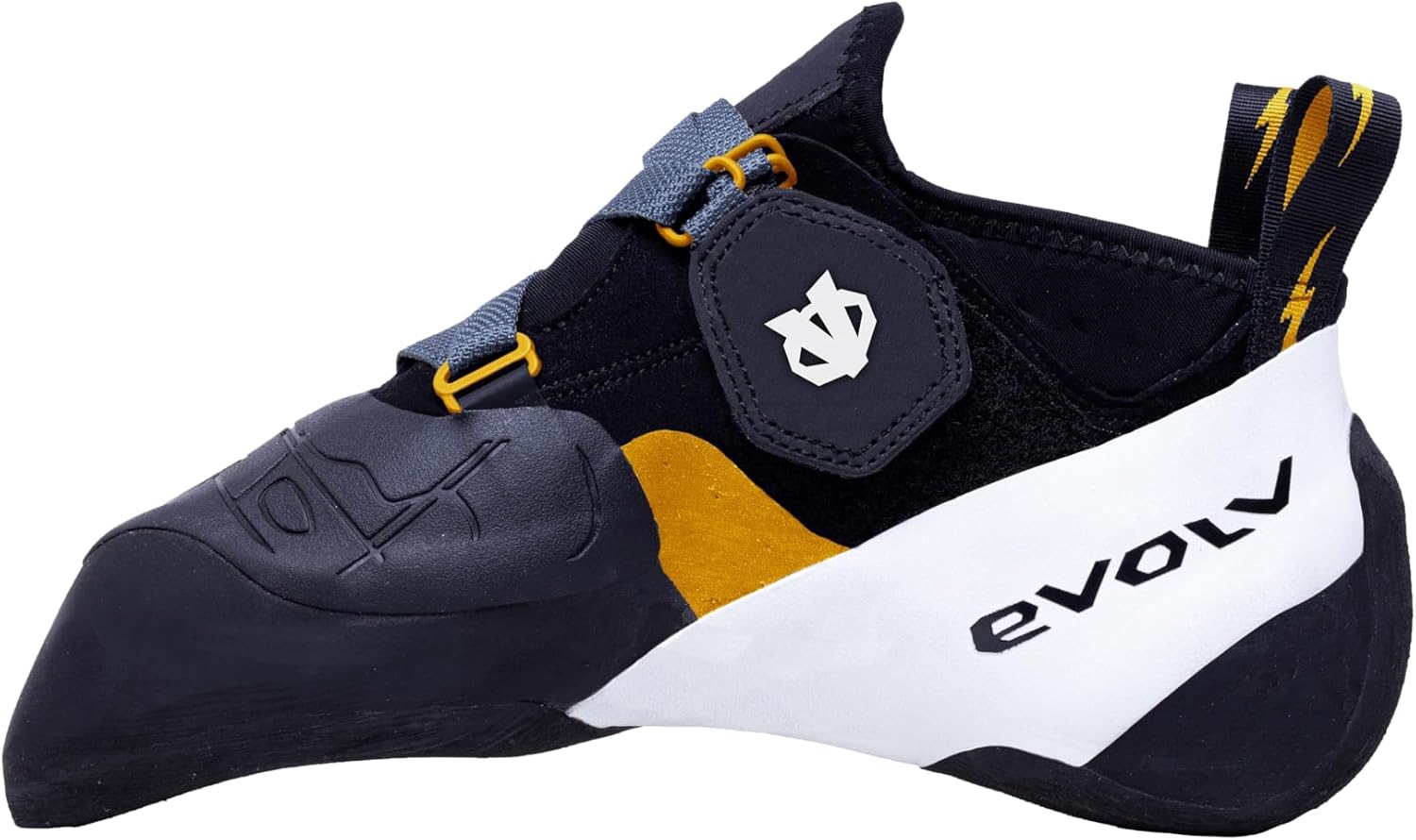
Best High-Performance Shoe: EVOLV Shaman Pro Rock Climbing Shoe
The EVOLV Shaman Pro pushes aggressive shoe design to the limit with its extreme downturn and Love Bump midsole technology that creates a knuckle under your toes for maximum power on steep terrain. The variable thickness rubber—4.2mm under the toe box tapering to 3.5mm at the edges—provides sensitivity where you need to feel holds while maintaining durability in high-wear zones. The Shaman Pro's split sole design allows your foot to flex naturally, improving proprioception on volumes and complex modern route-setting. The TRAX SAS rubber compound is slightly softer than the Instinct VS's XS Edge, trading some edging precision for superior smearing performance on textured holds and volumes. These excel on overhanging sport routes with dynamic movement and powerful compression sequences, though the aggressive shape makes them less versatile for vertical technical climbing. At $239, they're the most expensive pick here, justified only if you're specifically targeting steep, powerful sport routes at your absolute limit.
What we like
Trade-offs
What to Consider When Choosing Sport Climbing Gear
Sport climbing gear selection hinges on matching equipment characteristics to your climbing style and the terrain you frequent. Shoe aggressiveness should align with route steepness—moderately downturned shoes like the Instinct VS handle everything from vertical faces to moderate overhangs, while extremely cambered models like the Shaman Pro are overkill for anything less than 15-degree overhangs. Harness comfort matters more in sport climbing than weight, since you'll spend significant time hanging while working moves and clipping bolts. Look for substantial waist and leg loop padding if you're projecting hard routes that require multiple sessions. Rope diameter involves a tradeoff between weight and durability—skinny ropes under 9mm clip easier and weigh less for long approaches, but they wear faster in high-traffic lowering zones and require belay devices specifically rated for thin diameters.
Shoe Fit and Break-In
Performance climbing shoes should fit snugly without causing sharp pain or numbness. Your toes should be curled but not crunched, with the shoe maintaining contact across your entire foot. Synthetic uppers like those on the Instinct VS stretch minimally (about half a size), while leather models can stretch a full size, so size accordingly. Plan for a break-in period of 3-5 climbing sessions where the shoe conforms to your foot shape and the rubber softens slightly. If you can't keep the shoes on for at least 30 minutes during your first session, they're too tight.
Rope Length and Diameter
Modern sport routes frequently exceed 30 meters, making 70-meter ropes the new standard for cragging. A 70m rope allows you to safely lower from routes up to 35 meters (accounting for rope stretch and anchor height), while 60m ropes limit you to routes under 30 meters. Diameter affects both handling and durability—ropes from 9.5-10mm offer the best balance of longevity and ease of clipping for most climbers, while sub-9mm ropes like the Swift Protect 8.9mm are best reserved for experienced climbers who prioritize weight savings and understand the accelerated wear characteristics.
Harness Features for Sport Climbing
Sport-specific harnesses prioritize comfort and gear-carrying capacity over weight savings. Look for at least four gear loops to organize quickdraws efficiently—two front loops for your working rack and two rear loops for extra draws and a belay device. Adjustable leg loops are essential if you climb across seasons with varying pant layers. The rise (distance from leg loops to waistbelt) should be proportional to your torso length—too short causes the waistbelt to ride up during hangs, while too long positions gear loops awkwardly low.
Frequently Asked Questions
+How tight should sport climbing shoes fit?
Sport climbing shoes should fit snugly with your toes curled but not painfully compressed. You should be able to keep them on for 30-45 minutes during your first session, though you'll likely remove them between attempts. The shoe should feel like a firm handshake across your entire foot—no dead space in the heel or toe box, but no sharp pain or numbness. Aggressive shoes like the Instinct VS or Shaman Pro will feel uncomfortable initially but should become tolerable after 3-5 sessions as the materials conform to your foot. If you experience persistent numbness or sharp pain after the break-in period, size up half a size.
+What rope diameter is best for sport climbing?
For most sport climbers, a 9.5-10mm diameter rope offers the best balance of durability, handling, and clipping ease. Thicker ropes (10-10.5mm) last longer and work with all belay devices but feel stiff and heavy, while skinny ropes (8.9-9.2mm) like the EDELRID Swift Protect clip more easily on steep terrain but wear faster and require compatible belay devices. If you're climbing frequently on high-traffic sport routes with polished lowering zones, stick with 9.5mm or thicker. If you're projecting steep routes where clipping resistance matters and you're willing to retire the rope sooner, a sub-9.2mm rope makes sense.
+Do I need a dry-treated rope for sport climbing?
Dry treatment isn't essential for sport climbing in consistently dry climates, but it significantly extends rope lifespan in all conditions by preventing water and dirt absorption. The Pro Dry treatment on the EDELRID Swift Protect keeps the rope supple and maintains its dynamic properties even after exposure to morning dew or light rain. More importantly, dry treatment prevents dirt particles from infiltrating the core fibers, which is the primary cause of premature rope retirement. If you climb frequently (2+ times per week) or in variable weather, the additional cost of dry treatment pays for itself through extended rope life. If you climb occasionally in guaranteed dry conditions, an untreated rope is adequate.