
Review · spring · summer · fall
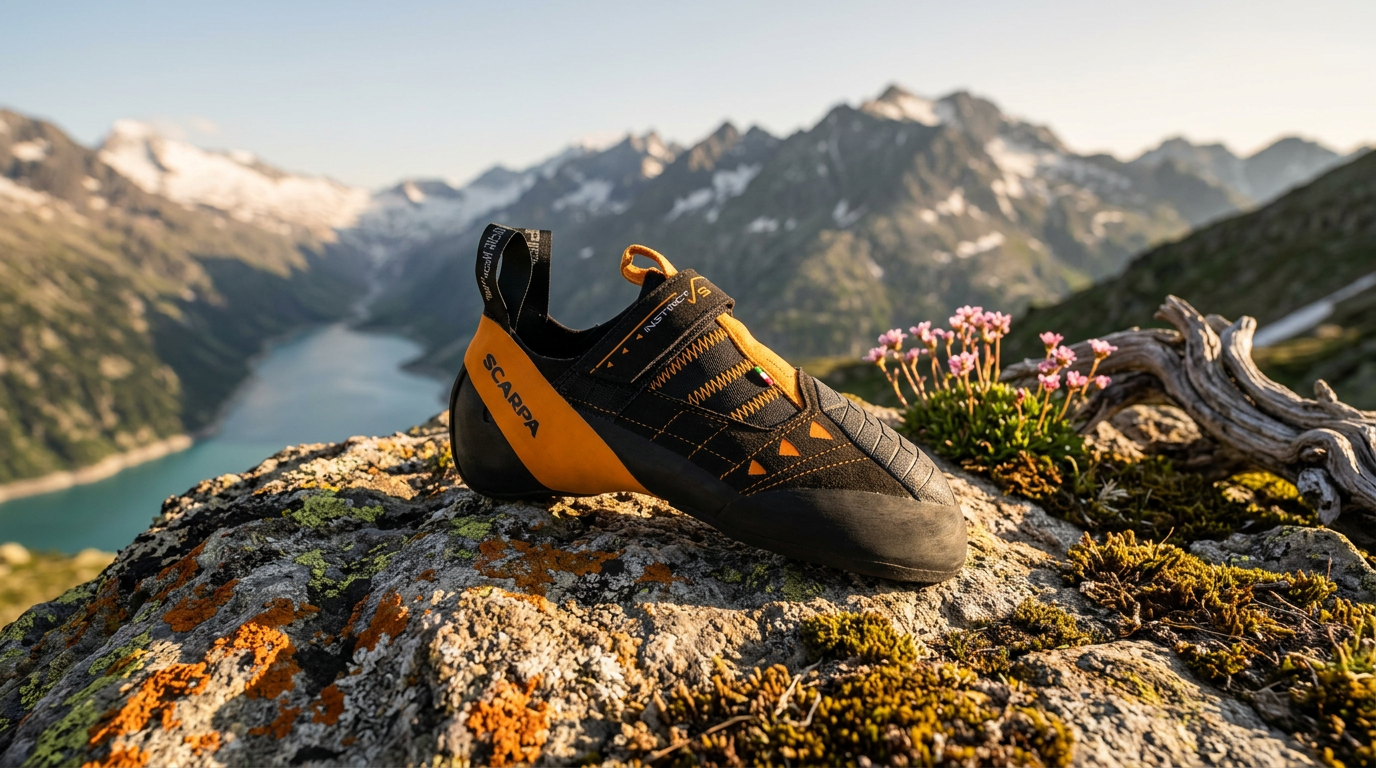
SCARPA Instinct VS Rock Climbing Shoes for Sport Climbing and Bouldering
The SCARPA Instinct VS is a high-performance asymmetric climbing shoe engineered for steep sport routes and modern bouldering, offering a balance between edge stability and sensitivity through its dual-rubber sole construction. With XS Edge rubber in the forefoot for micro-edges and softer XS Grip 2 in the heel for hooking, it targets intermediate-to-advanced climbers willing to trade all-day comfort for precision on overhanging terrain, though the wider last may leave low-volume feet swimming in the toe box.
Disclosure: Four Seasons Gear is reader-supported. When you buy through links on our site, we may earn an affiliate commission at no extra cost to you. Prices and availability are accurate as of the time we last checked.
Construction and Materials
The Instinct VS features a bi-tension active randing system that pulls the toe into an aggressive downturn while maintaining lateral tension across the forefoot. The upper combines synthetic microfiber panels with minimal stretch characteristics—SCARPA doesn't publish the exact denier, but the material resists the bagging common in leather models. A single hook-and-loop closure strap spans the instep, cinching the midfoot without pressure points.
The sole architecture uses a split-rubber approach: approximately 3.5 mm XS Edge rubber under the forefoot provides the stiffness needed for standing on dime-edge holds, while the heel cup employs roughly 4 mm of XS Grip 2—a softer compound (durometer around 55-60 Shore A, estimated) that deforms against irregular heel-hook features. A continuous rubber rand wraps the toe box, extending coverage for toe hooks and scumming on volumes. The midsole is a thin nylon insert, thinner than the standard Instinct model, which accounts for the 'VS' (Vibram sole) designation and the increased sensitivity.
Specs
Intended Use and Performance Context
This shoe is purpose-built for steep terrain: sport routes graded 5.12 and above, modern boulder problems with volumes and underclings, and competition-style climbing. The aggressive downturn and asymmetry concentrate power over the big toe, making it effective on small footholds where body position demands precise toe placement. OutdoorGearLab's testing noted strong edging performance on vertical-to-slightly-overhanging walls, while Switchback Travel highlighted the heel's ability to lock onto rounded features—a function of the softer rear rubber.
The Instinct VS sits in the middle of SCARPA's performance range: more sensitive than the stiffer Drago (which uses a single 4 mm XS Grip 2 sole throughout) but less aggressive than the Boostic, which features a sharper downturn and a softer overall construction. For climbers seeking a comparison outside SCARPA's lineup, the La Sportiva Solution offers a similar heel-hooking focus but with a narrower last, while the Five Ten Hiangle provides comparable asymmetry with a flatter profile suited to vertical face climbing.
Fit and Sizing Considerations
SCARPA recommends downsizing half a size from street shoe size, and field reports from Treeline Review and REI customer feedback align with this guidance. The last is notably wider than competitors—climbers with high-volume or wider feet (D-width or wider in street shoes) report a comfortable, snug fit without hot spots, while those with narrow or low-volume feet often find excess space in the toe box that prevents precise toe engagement. The synthetic upper stretches minimally (perhaps 2-3% over the first 10-15 sessions), so an initially snug fit remains consistent.
Durability Considerations
The synthetic microfiber upper resists abrasion better than leather, maintaining structural integrity through 50-100+ climbing sessions depending on rock type and technique. The XS Edge forefoot rubber is a harder compound, which extends tread life on abrasive sandstone and granite but can feel less sticky on polished limestone compared to softer rubbers. The XS Grip 2 heel wears faster—typical lifespan is 30-60 sessions of heavy heel-hooking before the rubber thins noticeably. The toe rand is approximately 3 mm thick at the apex, providing reasonable protection against toe-dragging on overhangs, though aggressive draggers will wear through in 40-60 sessions.
The hook-and-loop strap uses a reinforced Velcro system, but the single-strap design places all retention load on one closure point. After 80-100 sessions, the Velcro may lose grip, though SCARPA's warranty typically covers manufacturing defects within the first year.
Value and Category Positioning
At approximately $200 MSRP, the Instinct VS occupies the premium segment of the climbing shoe market. This price reflects the dual-rubber sole construction and the Italian manufacturing. For climbers projecting at their limit on steep terrain multiple times per week, the performance justifies the cost. For recreational climbers or those still developing technique on moderate grades (5.10 and below), a less aggressive, more affordable option like the SCARPA Vapor V or La Sportiva Tarantulace offers better value and comfort for longer sessions.
The shoe's longevity depends heavily on climbing frequency and style. A climber logging 3-4 gym sessions per week can expect 6-9 months before needing a resole (around $60-80), while outdoor-only climbers on less abrasive rock may extend that to 12-18 months. The resoleable construction adds long-term value compared to cheaper, non-resoleable models.
What we like
Trade-offs
Frequently Asked Questions
+How does the Instinct VS compare to the standard Instinct?
The Instinct VS uses a thinner midsole and sole (approximately 3.5 mm forefoot vs. 4 mm in the standard Instinct), which increases sensitivity and feedback from the rock. The standard Instinct is slightly stiffer, making it better for all-day multi-pitch routes, while the VS excels on shorter, harder sport pitches and boulders where feel matters more than endurance.
+Can I use these for crack climbing?
The aggressive downturn and asymmetry make the Instinct VS poorly suited for crack climbing. The toe box shape prevents comfortable jamming in parallel-sided cracks, and the soft heel rubber offers little protection when torquing in hand or fist cracks. A flatter, stiffer shoe like the SCARPA Vapor V or La Sportiva TC Pro is a better choice for crack-focused climbing.
+How much should I downsize?
SCARPA recommends half a size down from street shoe size, and field reports confirm this works for most climbers. Those with wider feet (D-width or above) may find their street size or just a half-size down provides a performance fit without pain. Climbers with narrow feet often need to size down a full size or more to eliminate dead space, though this can create pressure points. Try before buying if possible, and expect minimal stretch—about 2-3% over the first 10-15 sessions.
+Are these resoleable?
Yes, the Instinct VS is fully resoleable. Most climbing shoe repair shops can replace both the forefoot and heel rubber, typically charging $60-80 for a full resole. The rand and upper construction support multiple resoles if you address wear before it reaches the rand or stitching. Expect to resole after 6-18 months depending on climbing frequency and style.

Read next
More from this category
REVIEW
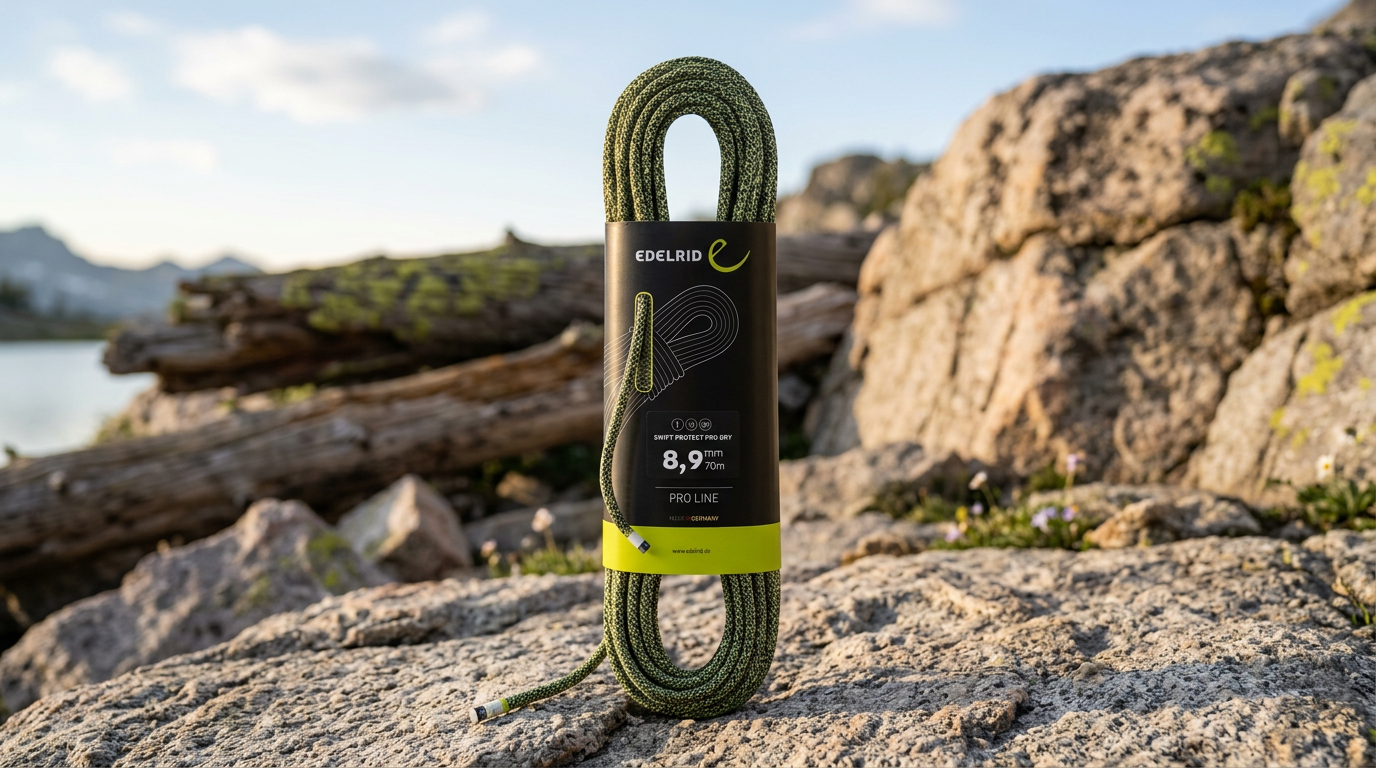
EDELRID Swift Protect 8.9mm Pro Dry Dynamic Climbing Rope Review
REVIEW
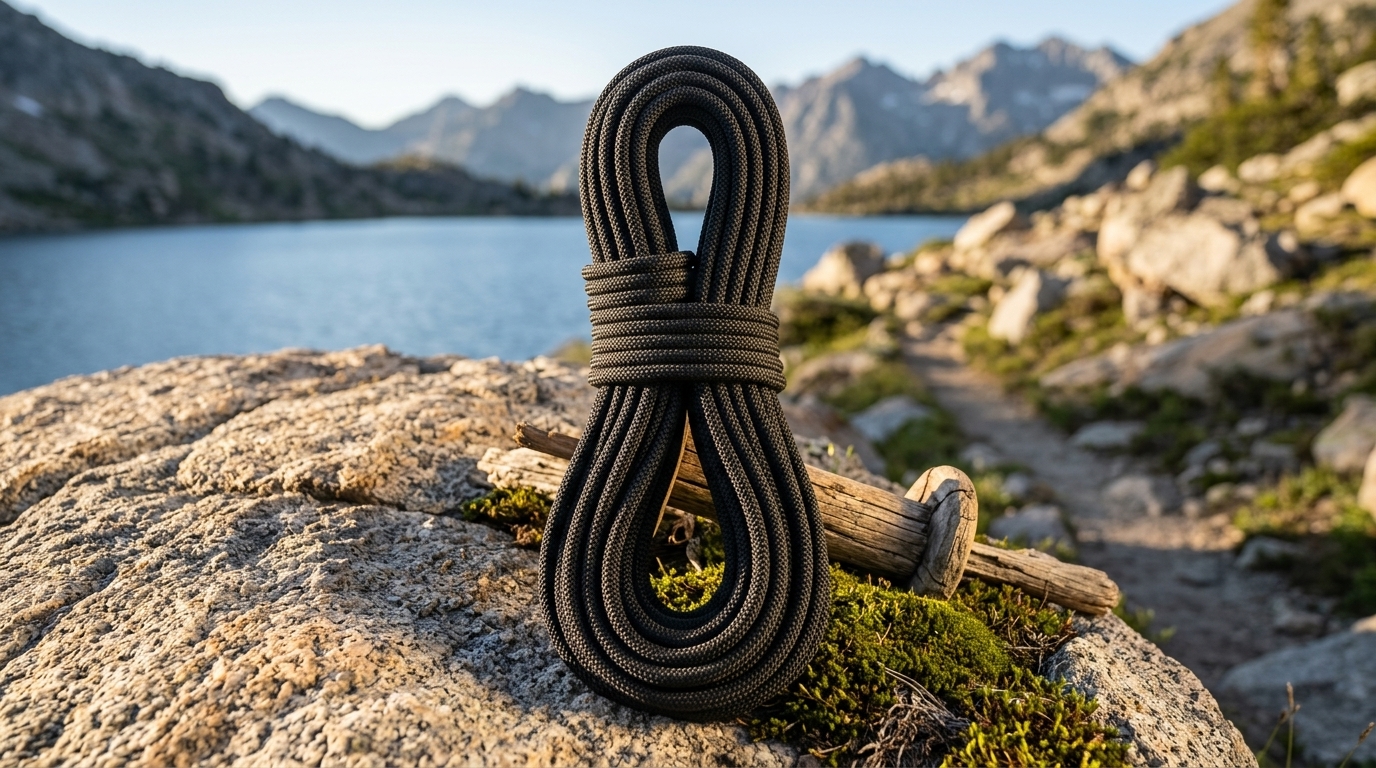
BlueWater Ropes 11.4mm AssaultLine NFPA Static Rope Review
REVIEW
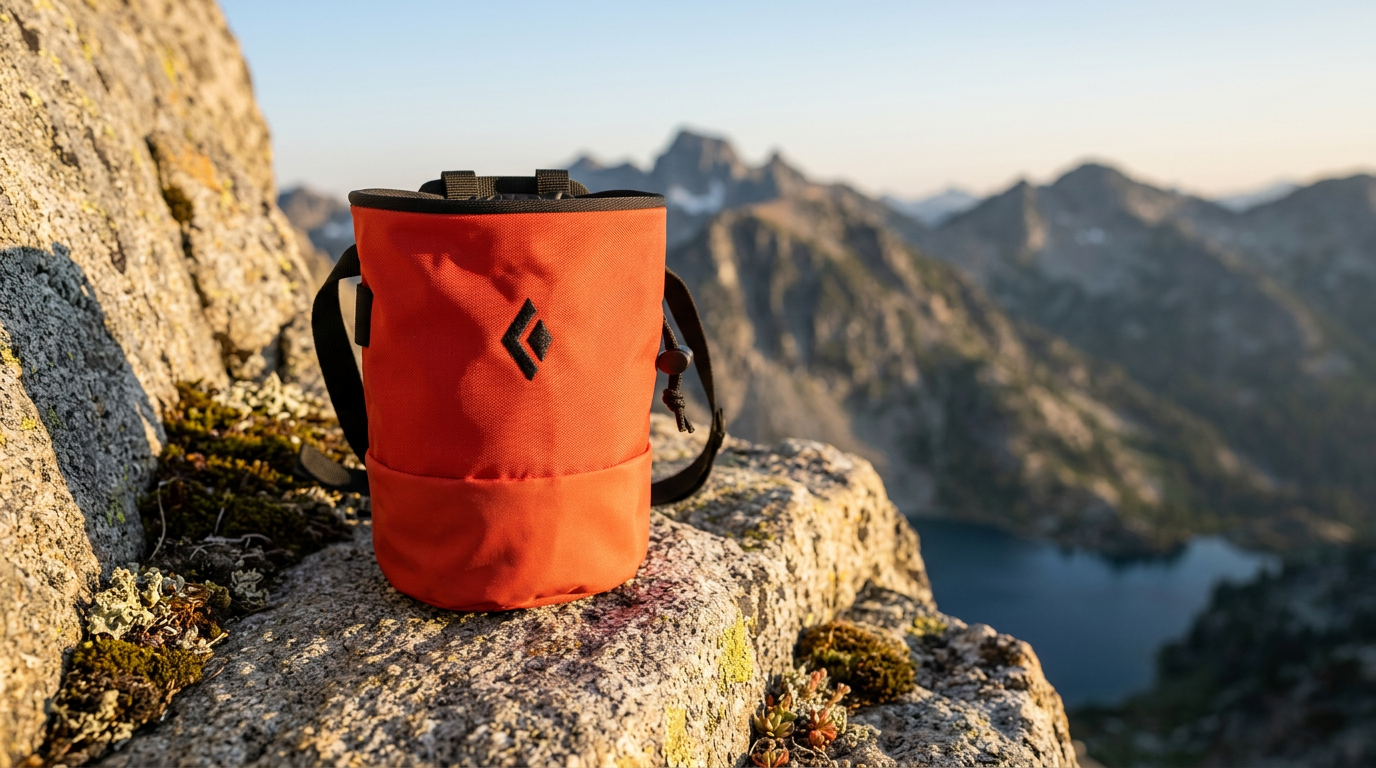
Black Diamond Mojo Zip Chalk Bag Review: Classic Cylinder With Zippered Stash
REVIEW
PETZL Corax LT Women's Climbing Harness Review
REVIEW
Mammut Comfort Fast Adjust Climbing Harness - Men's Review
REVIEW