Best of
Best Backpacking Stoves Under $50
best backpacking stoves under 50
At a glance
| # | Product | |||||
|---|---|---|---|---|---|---|
| 1 | 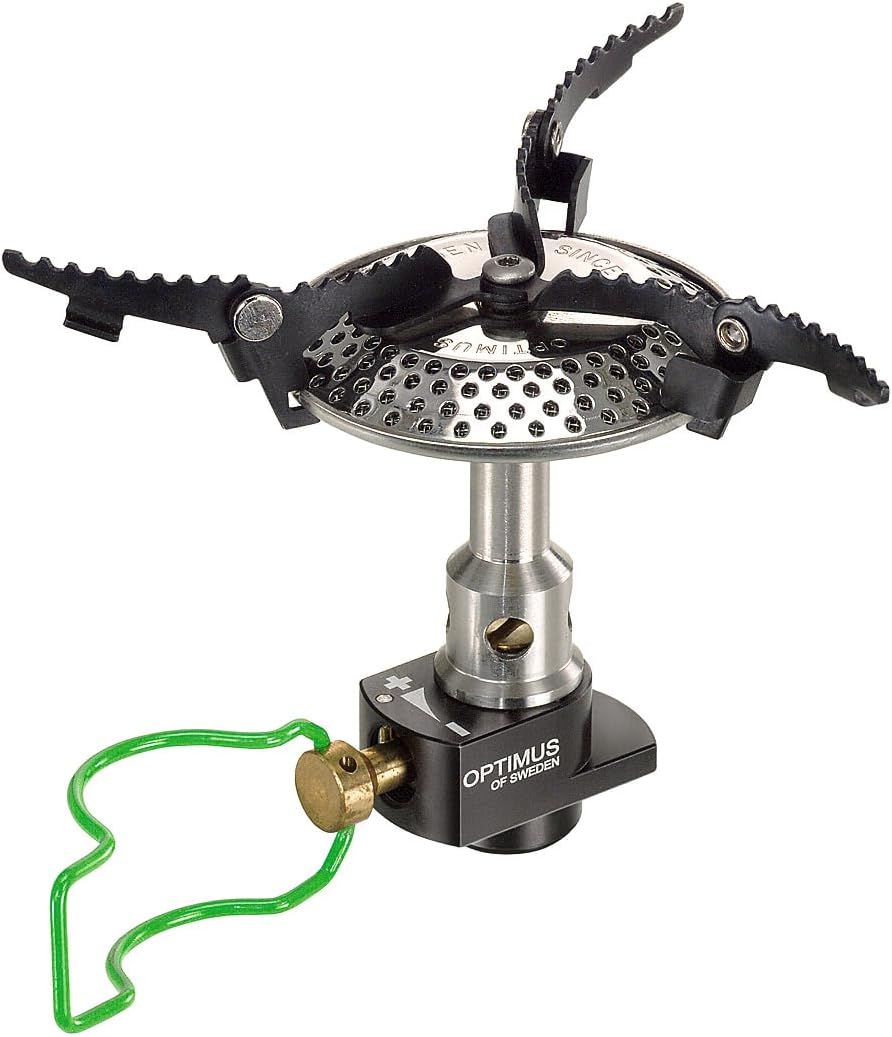 ★ Best Overall★ Best Value★ Most Durable | 8.0 | Check price ↗ | |||
| 2 |  ★ Most Comfortable | 7.8 | Check price ↗ | |||
| 3 | 7.2 | Check price ↗ | ||||
| 4 | 6.5 | Check price ↗ |
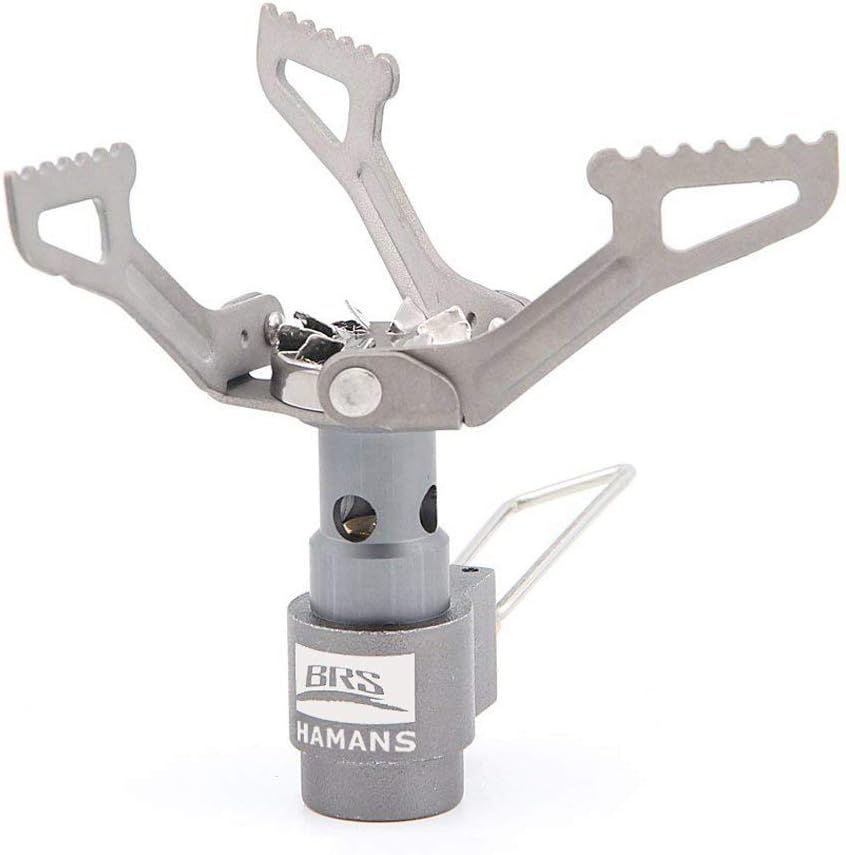

- 8.0★ Best Overall★ Best Value★ Most Durable
Disclosure: Four Seasons Gear is reader-supported. When you buy through links on our site, we may earn an affiliate commission at no extra cost to you. Prices and availability are accurate as of the time we last checked.
Best Overall: Optimus Crux Lite
The Optimus Crux Lite earns our top recommendation by delivering 3000W of output in a package that weighs just 2.5 ounces. This titanium and aluminum construction stove features a wide pot support that accommodates cookware up to 10 inches in diameter, making it versatile enough for solo trips or small group cooking. The fold-out design packs smaller than competing models, and the precision valve gives you excellent simmer control—critical for dehydrated meals that require gentle heating. At $46.95, it sits at the top of our budget range but justifies the cost with materials and engineering that rival stoves costing twice as much.
Best Ultralight: Snow Peak LiteMax Titanium
The Snow Peak LiteMax pushes the weight envelope with a titanium body that tips the scales at an absurdly light 1.9 ounces (56 grams), making it the lightest canister stove in this roundup. The four-arm pot support folds flat for packing, and despite the minimal material, it's engineered to support pots up to 5.5 inches in diameter. The tradeoff for this extreme weight savings is a slightly less stable platform for larger cookware and a price point of $44.95 that approaches our budget ceiling. If you're counting every gram for fastpacking or ultralight thru-hiking, this is the stove that disappears in your pack.
Best Budget: Etekcity Ultralight Portable Stove
At just $9.99, the Etekcity stove delivers shocking value for casual backpackers and those building their first kit. The integrated piezo ignition is a standout feature at this price—most budget stoves require matches or a lighter. The orange anodized aluminum construction feels solid in hand, and the three-arm pot support provides adequate stability for standard backpacking cookware. The piezo igniter may fail after extended use or in wet conditions, so carry backup ignition, but for weekend warriors who don't log hundreds of trail miles annually, this stove punches well above its weight class.
Best Value: BRS 3000T Backpacking Stove
The BRS 3000T has earned cult status in the backpacking community for packing titanium construction into a $16.95 package. Weighing just 0.9 ounces (25 grams), it's nearly as light as the Snow Peak while costing a fraction of the price. The included backup O-ring is a thoughtful touch that extends field serviceability. The narrow three-arm pot support requires careful pot placement, and the valve can be touchy for precise simmering, but for fast-and-light missions where you're just boiling water for freeze-dried meals, this stove delivers premium materials at a price that makes it almost disposable.
What to Know About Budget Canister Stoves
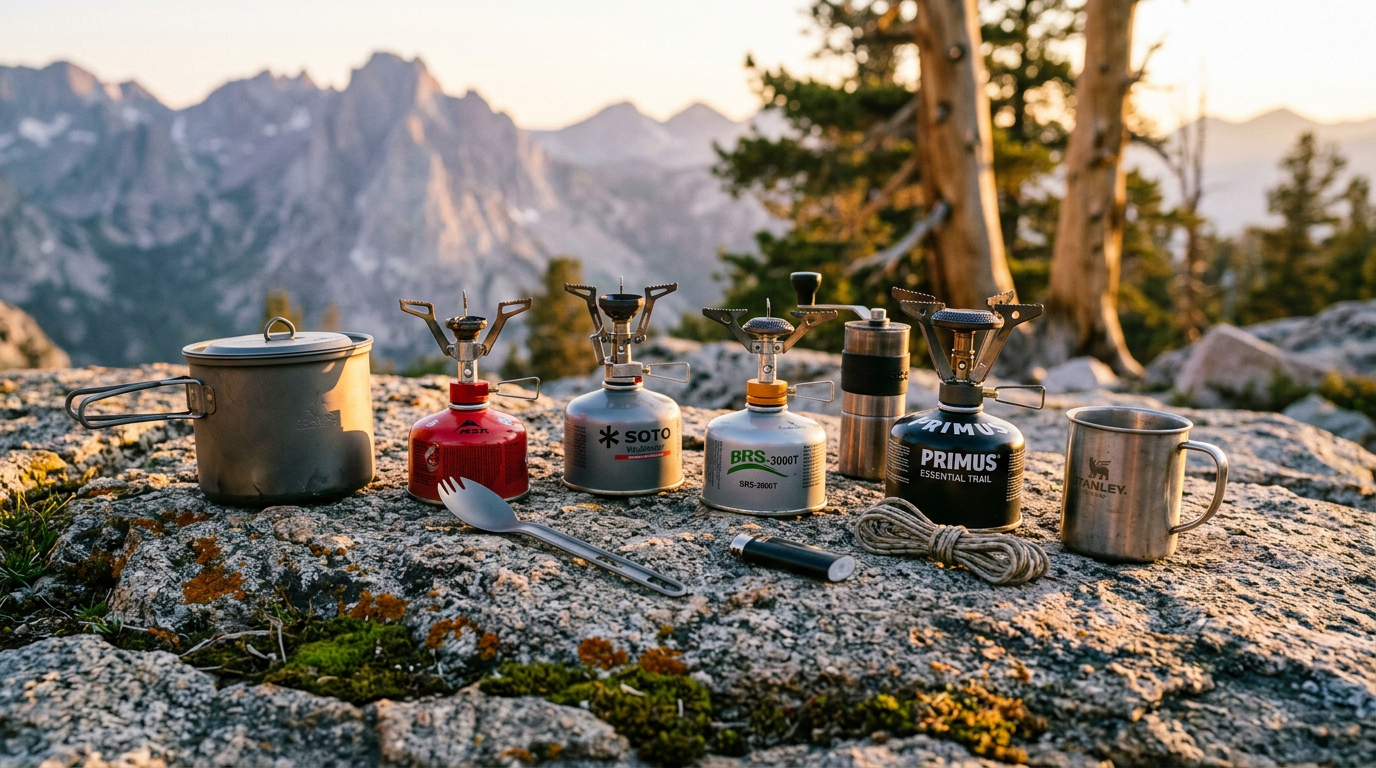
All four of these stoves use screw-on isobutane-propane canisters, which perform well in three-season conditions but lose efficiency below freezing. If you're camping in winter or at high altitude, consider an inverted canister setup or a liquid-fuel stove instead. For most backpackers tackling spring-through-fall trips, these canister stoves offer the best combination of weight, simplicity, and cooking speed. A standard 4-ounce fuel canister will boil approximately 10-12 liters of water, enough for 2-3 days of solo cooking.
Pot Support Stability Matters
The number and design of pot support arms directly affects stability. The Optimus Crux Lite's four-arm design with wide spacing provides the most stable platform for larger pots, while the BRS 3000T's narrow three-arm configuration requires more careful pot placement. If you're using a 1-liter pot for solo cooking, all four stoves work fine. For group cooking with 1.5-2 liter pots, the Optimus or Snow Peak offer better stability. Always test your cookware-stove combination at home before heading into the backcountry.
Piezo Ignition: Convenience vs. Reliability
The Etekcity is the only stove in this roundup with built-in piezo ignition, which is convenient until it fails. Piezo igniters use a spring-loaded hammer to generate a spark, and the mechanism can corrode in humid conditions or break from repeated impacts during transport. The other three stoves require manual ignition with matches, a lighter, or a ferrocerium rod. Experienced backpackers often prefer manual ignition because it eliminates a failure point—there's no mechanism to break. Regardless of your stove choice, always carry backup ignition sources.
Frequently Asked Questions
+Can I use these stoves with propane canisters from hardware stores?
No, these stoves require EN417-threaded isobutane-propane canisters sold at outdoor retailers. Hardware store propane canisters use a different thread pattern (Lindal valve) and won't attach. Brands like MSR, Jetboil, and Snow Peak all make compatible canisters. The fuel blend in outdoor canisters (typically 80% isobutane, 20% propane) also performs better in cold weather than pure propane.
+How much does a fuel canister weigh, and how long does it last?
A standard 4-ounce (110g) fuel canister weighs about 7 ounces full and will boil 10-12 liters of water under ideal conditions. For solo backpacking, that translates to 2-3 days of cooking two meals daily. An 8-ounce canister weighs 12 ounces and lasts 4-6 days. Actual performance varies with altitude, temperature, and wind conditions. Cold weather and high altitude significantly reduce efficiency.
+Do I need a windscreen with these stoves?
Yes, wind dramatically reduces efficiency and can blow out the flame entirely. However, never fully enclose a canister stove with a windscreen—the canister can overheat and explode. Use a partial windscreen that shields the flame while allowing airflow around the canister. Many backpackers fashion DIY windscreens from aluminum flashing or use commercial options designed specifically for canister stoves. Position the windscreen to block prevailing wind without trapping heat around the fuel canister.