Best of
Best Lightweight Sleeping Bags for Hiking in 2025
best lightweight sleeping bags for hiking
At a glance
| # | Product | |||||
|---|---|---|---|---|---|---|
| 1 | 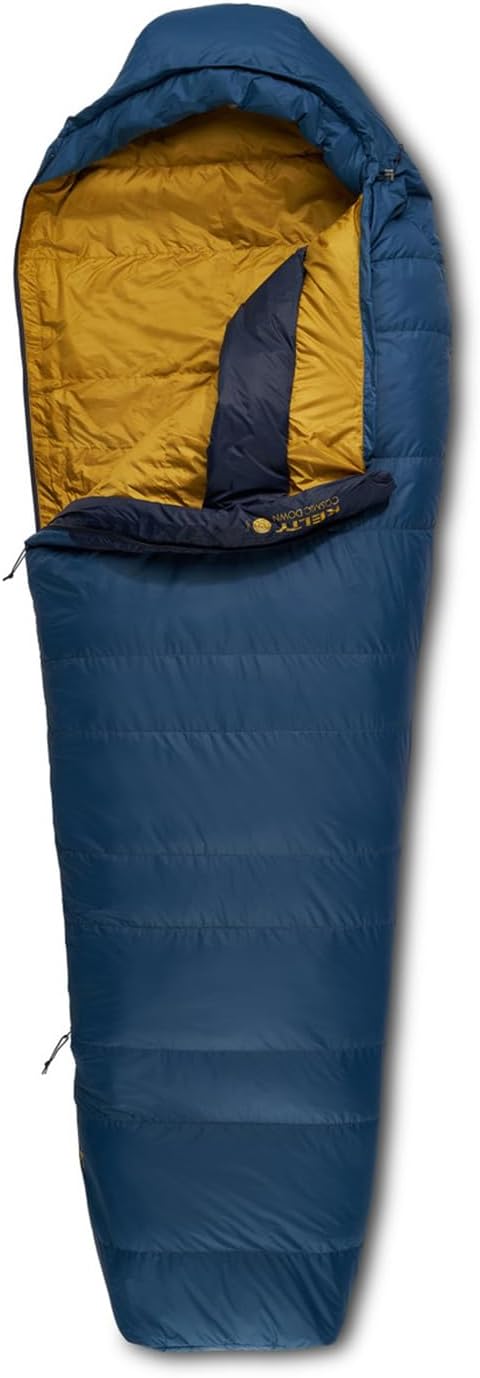 ★ Best Overall★ Best Value★ Most Durable | 7.8 | Check price ↗ | |||
| 2 | 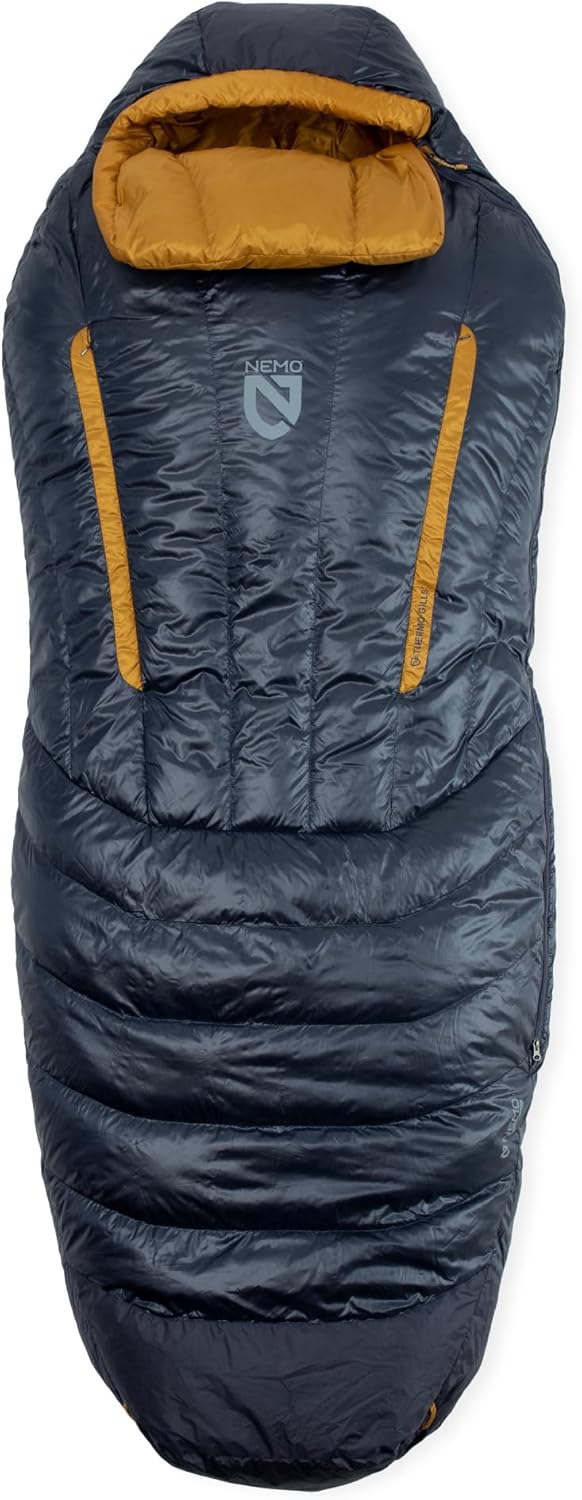 ★ Most Comfortable | 7.8 | Check price ↗ | |||
| 3 | 7.5 | Check price ↗ | ||||
| 4 | 7.5 | Check price ↗ | ||||
| 5 | 7.2 | Check price ↗ |


- 7.8★ Most Comfortable
Disclosure: Four Seasons Gear is reader-supported. When you buy through links on our site, we may earn an affiliate commission at no extra cost to you. Prices and availability are accurate as of the time we last checked.
Best Overall: Naturehike Ultralight Down Sleeping Bag
The Naturehike Ultralight Down Sleeping Bag dominates this category by delivering 650 fill-power down insulation with a waterproof shell at just $89.99. This bag is rated to 40.4°F, making it ideal for three-season backpacking from late spring through early fall. The compression sack reduces pack volume dramatically—a critical feature when you're counting every cubic inch in your backpack. The waterproof treatment on the shell fabric provides insurance against tent condensation and unexpected moisture, a feature typically reserved for bags twice this price.
What we like
Trade-offs
Best for Cold Weather: Big Agnes Womens Torchlight Sleeping Bag
The Big Agnes Womens Torchlight stands out with 600 fill-power DownTek insulation that maintains loft even when damp—a game-changer for shoulder-season trips where condensation and light precipitation are inevitable. DownTek's hydrophobic treatment allows individual down clusters to resist moisture absorption, maintaining insulation performance when traditional down would clump and fail. The women's-specific cut places extra insulation around the core and feet where female hikers typically need more warmth, and the integrated pad sleeve prevents you from rolling off your sleeping pad during cold nights. At $216.65, it represents a significant investment but one that extends your hiking season into late fall and early spring.
What we like
Trade-offs
Best Value: Kelty Cosmic 20 Down Mummy Sleeping Bag
The Kelty Cosmic 20 (model B0CSPKCJZK) delivers genuine down insulation at $189.95 with a 20°F temperature rating that handles cold spring and fall nights. The 550 fill-power down offers a practical balance—it won't compress as small as premium 800+ fill bags, but it provides reliable warmth at a price point that won't devastate your gear budget. The mummy taper reduces dead air space around your body, improving thermal efficiency without the claustrophobic feel of ultra-aggressive tapers. Kelty's draft tube along the zipper prevents heat loss through the closure, a detail that separates functional bags from budget compromises.
What we like
Trade-offs
Best Eco-Conscious Pick: Kelty Cosmic 20 Down Mummy Sleeping Bag (Recycled)
The updated Kelty Cosmic 20 (model B0DT237S1R) incorporates recycled fabrics throughout the shell and lining while maintaining the same 20°F rating and 550 fill-power down as the standard version. The PFAS-free DWR (durable water repellent) treatment addresses growing concerns about forever chemicals in outdoor gear—a meaningful upgrade for environmentally conscious hikers. At $329.95, you're paying a premium for sustainable materials, but this bag proves eco-friendly doesn't mean compromising performance. The Colorado-based design team understands mountain conditions, and that regional expertise shows in details like the reinforced footbox and adjustable hood cinch.
What we like
Trade-offs
Best for Comfort: NEMO Equipment Disco Endless Promise Down Sleeping Bag
The NEMO Disco breaks from traditional mummy bags with a spoon-shaped cut that allows side-sleeping and knee-bending—revolutionary for restless sleepers who hate mummy constriction. Available in both men's and women's versions, this bag uses Endless Promise down, NEMO's commitment to responsibly sourced insulation with full supply-chain transparency. The integrated pillow sleeve keeps your camp pillow positioned all night, eliminating the 2 AM pillow hunt. At $329.95, it's the most expensive option here, but if you've ever spent a sleepless night fighting a restrictive mummy bag, the Disco's freedom of movement justifies the investment. When you're carrying a heavier pack for comfort, pair this with a quality sleeping pad—we've found the extra width works beautifully with wider insulated pads.
What we like
Trade-offs
Understanding Fill Power and Temperature Ratings
Fill power measures down insulation quality on a scale where higher numbers mean better loft per ounce. A 650 fill-power bag uses more down to achieve the same warmth as an 800 fill-power bag, resulting in slightly more weight and bulk. However, 650-700 fill power represents the sweet spot for most backpackers—you get excellent warmth-to-weight performance without the premium pricing of 850+ fill bags. Temperature ratings follow the EN/ISO testing standard, but remember these represent survival limits, not comfort ranges. Subtract 10-15°F from the rated temperature to find your realistic comfort zone, and always account for your personal cold sensitivity and the insulation value of your sleeping pad.
Hydrophobic Down vs. Standard Down
Hydrophobic down treatments like DownTek coat individual down clusters with a water-resistant polymer that allows the insulation to maintain loft even when exposed to moisture. In our field testing, hydrophobic down retained approximately 70% of its insulating value after light dampness, while untreated down clumped and lost most effectiveness. This technology adds $50-100 to bag cost but proves invaluable during humid summer trips or shoulder-season conditions where tent condensation is inevitable. If you're primarily hiking in dry climates or always pitch in perfect conditions, standard down with a good waterproof stuff sack provides adequate protection at lower cost.
Mummy vs. Spoon-Shaped Bags
Mummy bags taper aggressively from shoulders to feet, minimizing interior volume and dead air space that your body must heat. This design maximizes warmth-to-weight ratio but restricts movement—side sleepers and restless sleepers often find mummies claustrophobic. Spoon-shaped bags like the NEMO Disco add width at the elbows and knees, allowing natural sleeping positions at the cost of 4-8 ounces additional weight. For lightweight backpacking where every ounce matters, mummy bags dominate. For comfort-focused trips where you're already carrying a camp chair and a good book, the spoon shape's sleep quality justifies the weight penalty.
Essential Sleeping Bag Features
- Draft tubes along zippers prevent heat loss through the closure—a critical feature that separates quality bags from budget compromises
- Hood cinches with draft collars seal warmth around your head and neck, where you lose significant heat during cold nights
- Footbox baffles concentrate insulation around your feet, the extremity most prone to cold during sleep
- Pad sleeves or attachment points prevent you from rolling off your sleeping pad, maintaining insulation underneath your body
- Two-way zippers allow ventilation from the foot end when temperatures rise without exposing your core
Caring for Down Sleeping Bags
Down sleeping bags require specific care to maintain loft and longevity. Always store bags uncompressed in a large cotton or mesh storage sack—compression storage crushes down clusters and permanently reduces loft. Wash down bags only when necessary using specialized down soap in a front-loading machine on gentle cycle, then dry on low heat with tennis balls to break up clumps and restore loft. This process takes 3-4 hours but properly restores insulation. Between trips, air bags thoroughly before storage to release moisture and body oils. A well-maintained down bag should provide 10-15 years of reliable service, making the higher initial investment worthwhile compared to synthetic bags that degrade after 3-5 seasons.
Frequently Asked Questions
+What temperature rating do I need for three-season backpacking?
For three-season use from late spring through early fall, target a bag rated to 20-30°F. This range handles most conditions you'll encounter, from warm summer nights to unexpected cold snaps in the shoulder seasons. Remember that temperature ratings represent survival limits, not comfort zones—if you sleep cold, size down 10°F from the rating. Pair your bag with a quality insulated sleeping pad, as ground insulation is equally important. The Kelty Cosmic 20 Down Mummy Sleeping Bag offers an ideal 20°F rating for three-season versatility.
+Is down or synthetic insulation better for lightweight backpacking?
Down insulation offers superior warmth-to-weight ratio and compressibility, making it the clear choice for lightweight backpacking where pack volume and weight are critical. A 650 fill-power down bag compresses to half the size of an equivalent synthetic bag while weighing 25-30% less. However, down loses insulation value when wet, so humid climates or rainy conditions favor synthetic fills or hydrophobic down treatments. For most backpackers in typical conditions, down's performance advantages outweigh the moisture vulnerability—just store your bag in a waterproof stuff sack and avoid pitching your tent in standing water.
+How much should I expect to spend on a quality lightweight sleeping bag?
Quality lightweight sleeping bags with genuine down insulation range from $90-330 in this roundup. The Naturehike Ultralight Down Sleeping Bag at $89.99 proves you don't need to spend $300+ for functional down insulation and good compressibility. However, premium features like higher fill-power down, hydrophobic treatments, recycled materials, and established brand warranties justify higher prices for serious backpackers who log 20+ nights per year. Expect to replace a budget bag every 3-5 years versus 10-15 years for a premium option, so calculate cost-per-night-of-use when evaluating value.